
Sharmila Chand
05-Feb-2026
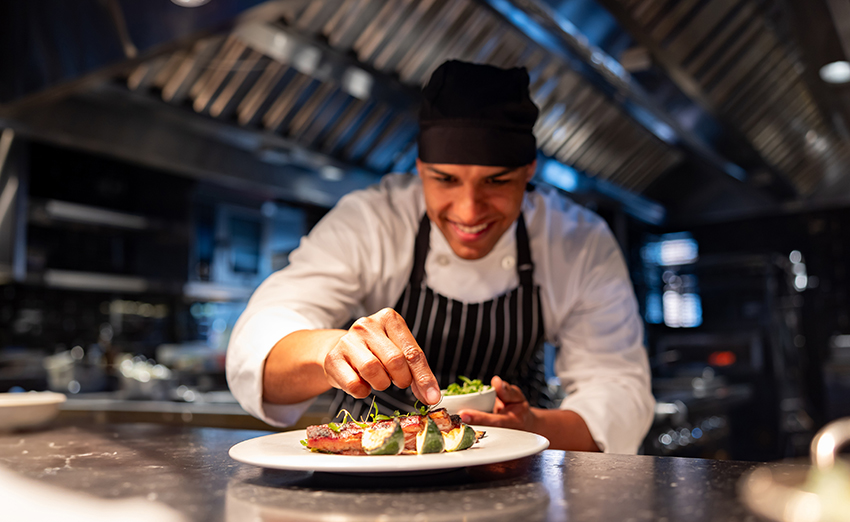
From micro-regional Indian cuisine and ingredient-first cooking to comfort food, five leading chefs decode what will shape our plates in 2026—and the trends they hope to leave behind.
In 2026, culinary luxury is defined in simplicity. Complex, unnecessary frills and overcomplicated food is not the goal and desire of ace chefs across the country. As we speak to them about the culinary trends they wish to see and not see this year, they give us an insight on the subject.
In 2026, culinary luxury is defined in simplicity. Complex, unnecessary frills and overcomplicated food is not the goal and desire of ace chefs across the country. As we speak to them about the culinary trends they wish to see and not see this year, they give us an insight on the subject.
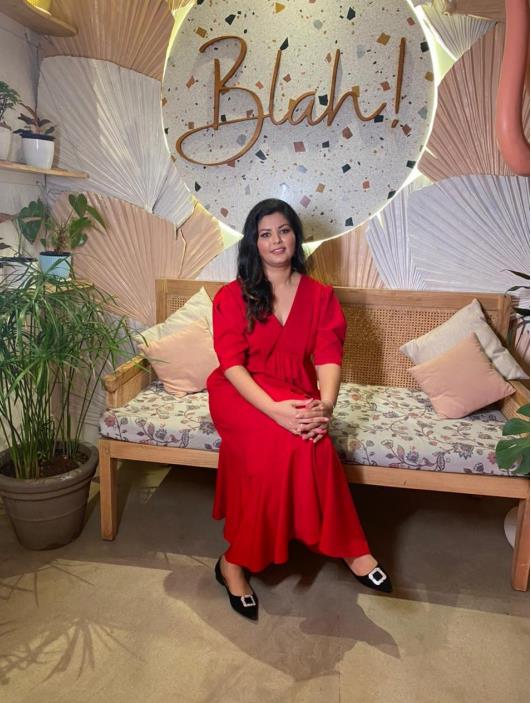
1. Chef Nishant Choubey, Independent Chef & Culinary Consultant
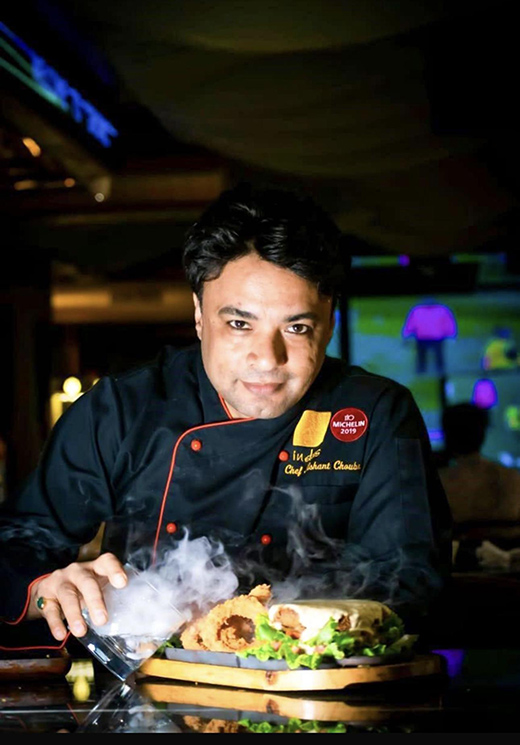
(Chef Nishant Choubey)
What three culinary trends you believe (and wish) will be hot this year?
a) Micro-Regional Indian Cuisine
India’s culinary strength lies in its villages, forests, hills, and tribes—not just states. The future is about spotlighting micro food cultures: a single valley, a tribal belt, a river basin, or even one forgotten grain. This approach respects authenticity, biodiversity, and storytelling, allowing chefs to become custodians of culinary heritage rather than just interpreters.
b) Usage of Indian Avocado
Indian-grown avocado is still under-explored. Unlike imported varieties, it carries a different fat profile and texture, making it suitable for Indian applications—chutneys, gravies, fermentations, and even warm dishes. Using Indian avocado also supports local farmers and reduces dependency on imported superfoods.
c) Plant-Based Ingredients with Curated Concepts
Plant-based cooking must move beyond imitation. The real opportunity lies in thoughtfully curated, ingredient-forward menus where vegetables, millets, legumes, forest produce, and indigenous fats are celebrated for what they are—nutritious, soulful, and culturally rooted.
What three culinary trends you do not wish to see in 2026?
a) Gimmicky Fusion Without Context
Random mashups that lack cultural understanding dilute both cuisines. Fusion should be meaningful, not confusing. Fusion is total confusion !!
b) Over-Plating and Unnecessary Luxury Ingredients
Excessive use of gold leaves, truffle oil, and theatrics often overshadows flavor and intent. Simplicity with depth should take precedence.
c) One-Size-Fits-All “Healthy” Menus
Health is personal and regional. Copy-paste wellness menus without understanding local diets, climate, and traditions need to fade away. Rather thought of mindfulness has to be leveraged !!
What are you focusing on in 2026?
This year my focus will be deep research-driven Indian cuisine, especially working closely with tribal communities and farmers to document ingredients, cooking methods, and food philosophy. I plan to further develop modern Indian menus rooted in Ayurveda, millets, forest produce, and fermentation, along with pop-ups and curated dining experiences that tell a story of land, people, and purpose. I will showcase more tribal cuisine and that too from Jharkhand as I belong to that state.
2. Chef Ashish Singh, Culinary Director /COO, Café Delhi Heights & Bakehouse Comfort
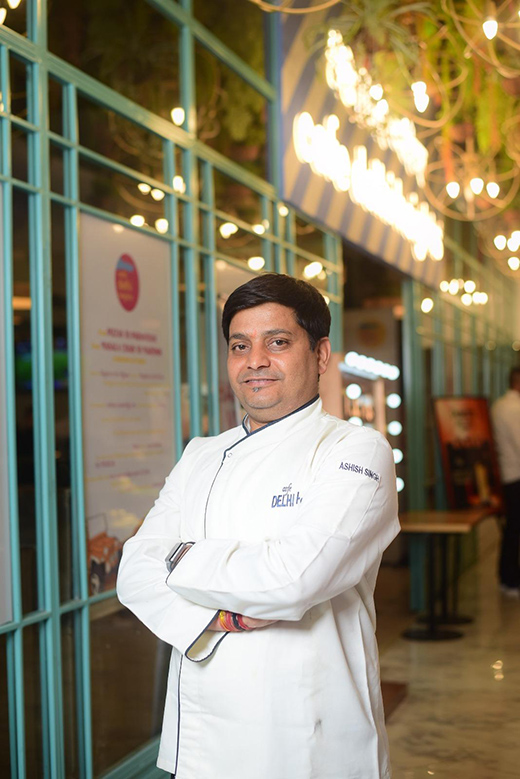
(Chef Ashish Singh)
What three culinary trends you believe (and wish) will be hot this year?
I am excited to see more plant-based innovations that showcase the amazing flavors and textures of our local ingredients. Fermentation is another area that's really close to my heart - the way it can transform simple ingredients into something truly magical.
What three culinary trends you do not wish to see in 2026?
Overly-complex platings that sacrifice flavor for presentation.
What are you focusing on in 2026?
This year, I am focusing on exploring the incredible regional cuisine of India.
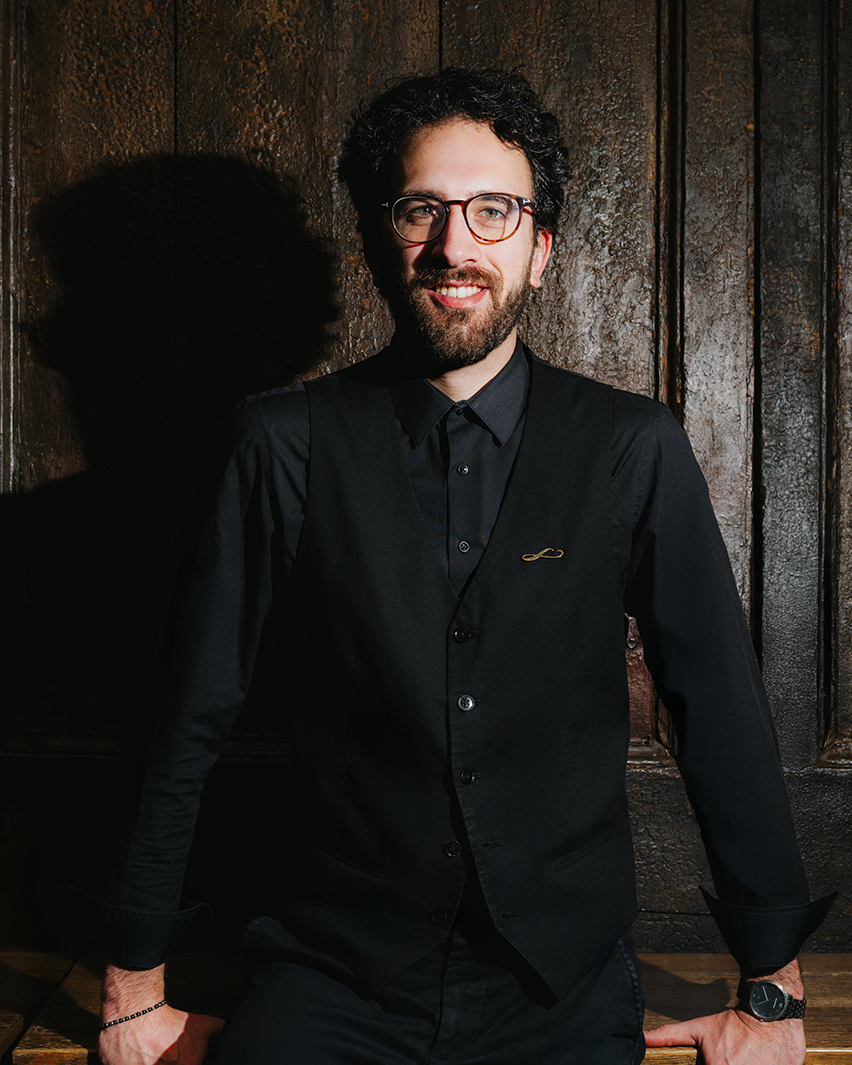
3. Chef Adwait Anantwar, Chef-partner at INJA
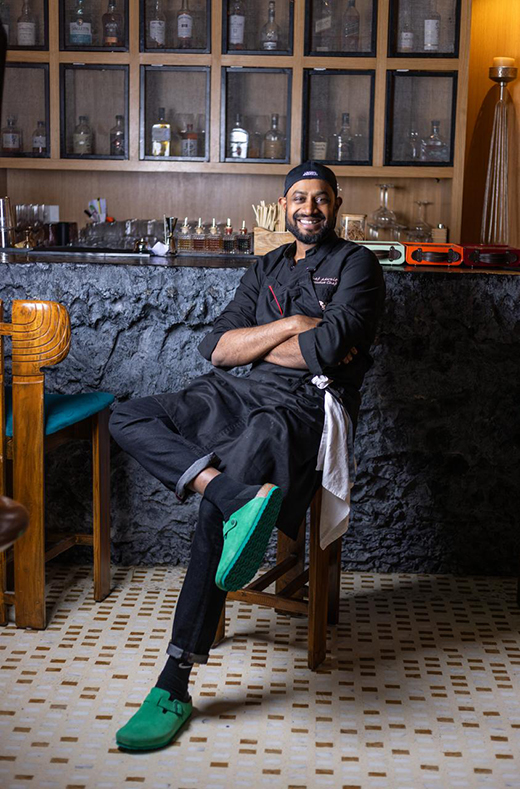
(Chef Adwait Anantwar)
What three culinary trends you believe will be hot this year?
What three culinary trends you hope we don’t see much in 2026?
What is your personal focus for 2026?
For me, 2026 is about depth and consistency. I want to focus on doing fewer things but doing them better. Building a stronger identity through our food, understanding ingredients more deeply and creating experiences that feel natural and not rushed.
4. Chef Vaibhav Bhargava, Food & Beverage Consultant
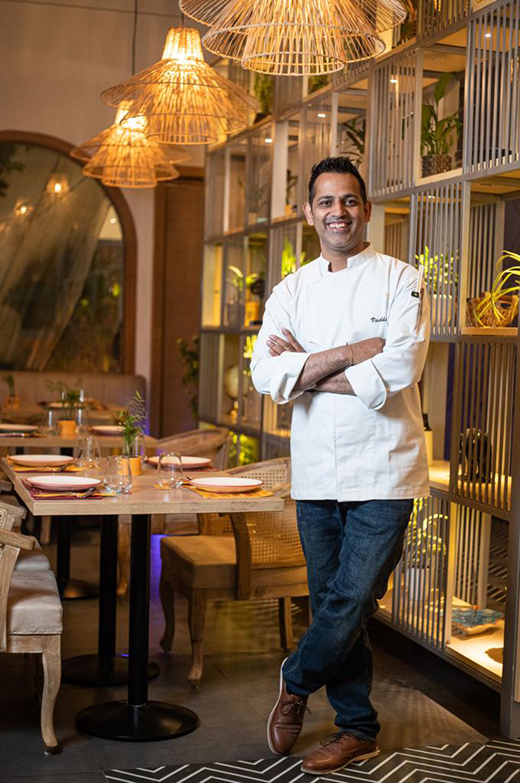
(Chef Vaibhav Bhargava)
What culinary trends you wish to see hot this year?
a) Regional India, Beyond the Obvious
I want to see deeper exploration of India’s lesser-known regional cuisines — not just the popular North and South, but tribal, border, and seasonal food traditions presented with respect and modern technique. These cuisines carry stories that deserve a global platform.
b) Elevated Comfort Food
Food that feels familiar but is executed with better ingredients, thoughtful technique, and global influences. Comfort food today should feel emotional yet refined — something you crave often, not just occasionally.
c ) Ingredient-First Cooking
A shift where the hero is the ingredient, not the gimmick. Seasonal produce, fermentation, natural umami, and honest flavors taking center stage instead of overcomplicated plates.
What culinary trends you do not wish to see anymore in 2026?
a) Overdone Gimmick Fusion
Fusion without understanding — where cuisines are mixed only for shock value. Fusion should be a conversation between cultures, not confusion on a plate.
b) Instagram-Only Food
Dishes designed purely to look good on camera but lacking balance, technique, or soul. Visual appeal should support taste, not replace it.
c) Copy-Paste Menus
Every city doesn’t need the same five trending dishes. Local identity and originality matter more than chasing what’s viral.
What are you focusing on in 2026?
In 2026, my focus will be on Japanese-inspired cuisines that are forward-looking yet deeply rooted in tradition. I’m particularly interested in exploring formats like Japanese-Peruvian, Japanese-Mexican, and Japanese-Italian — often referred to as Wafu cuisine — where Japanese techniques, philosophy, and precision form the foundation, while flavors from other cultures act as thoughtful collaborators. The goal is not fusion for novelty, but cultural dialogue. I want to bring the heritage, discipline, and soul of Japanese cooking into our own cities in a way that feels authentic, immersive, and respectful, allowing diners to experience the culture beyond just the food on the plate.
5. Chef Dhruv Oberoi, Culinary Director , Olive, New Delhi | The Grammar Room, New Delhi | The Hood, Bangalore
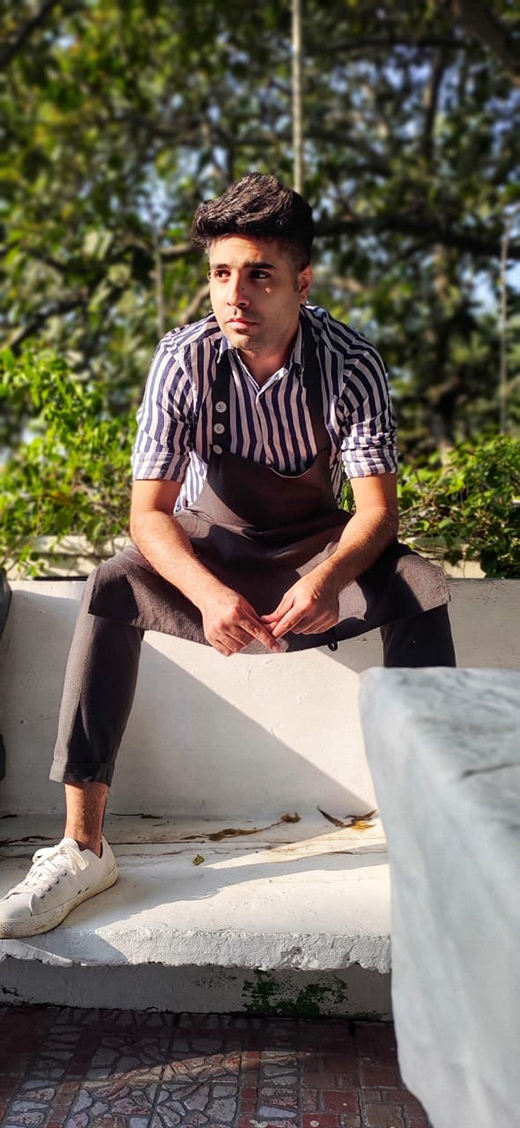
(Chef Dhruv Oberoi)
What three culinary trends you think (and wish) will be hot this year?
a) Cuisine with Context
Narrative-Driven Food. Food that comes with memory, geography, and people behind it—not just ingredients. Diners want to know why a dish exists, who cooked it first, and what it represents culturally. Storytelling will be as important as technique.
b) Neo-Regional Indian Cooking
A deeper, more respectful exploration of India’s regional cuisines—beyond clichés. Hyper-local ingredients, forgotten techniques, seasonal eating, and reinterpretations that keep the soul intact while refining presentation and balance.
c) Restraint & Ingredient Honesty
Moving away from overworked plates toward fewer elements done well. Clean flavours, thoughtful sourcing, and letting ingredients speak instead of hiding behind foam, dust, or unnecessary drama.
What three culinary trends you do NOT wish to see in 2026?
a) Gimmick-First Food
Concepts designed only for social media—overloaded, impractical, and often tasteless. Food should photograph well because it’s good, not the other way around.
b) Forced Fusion
Random mash-ups with no cultural understanding or logic. Fusion should be organic and respectful, not a shortcut for creativity.
c) Copy-Paste Global Menus
The same “safe” dishes appearing everywhere, irrespective of place or audience. We need originality rooted in identity, not repetition.
What is your personal focus for 2026?
In 2026, my focus is building culinary experiences rooted in neighbourhoods, memory, and migration. I want to create food that feels familiar yet thoughtful—plates that tell stories of movement, diaspora, and shared tables.