
Soumya Maheshwari
30-Jul-2026
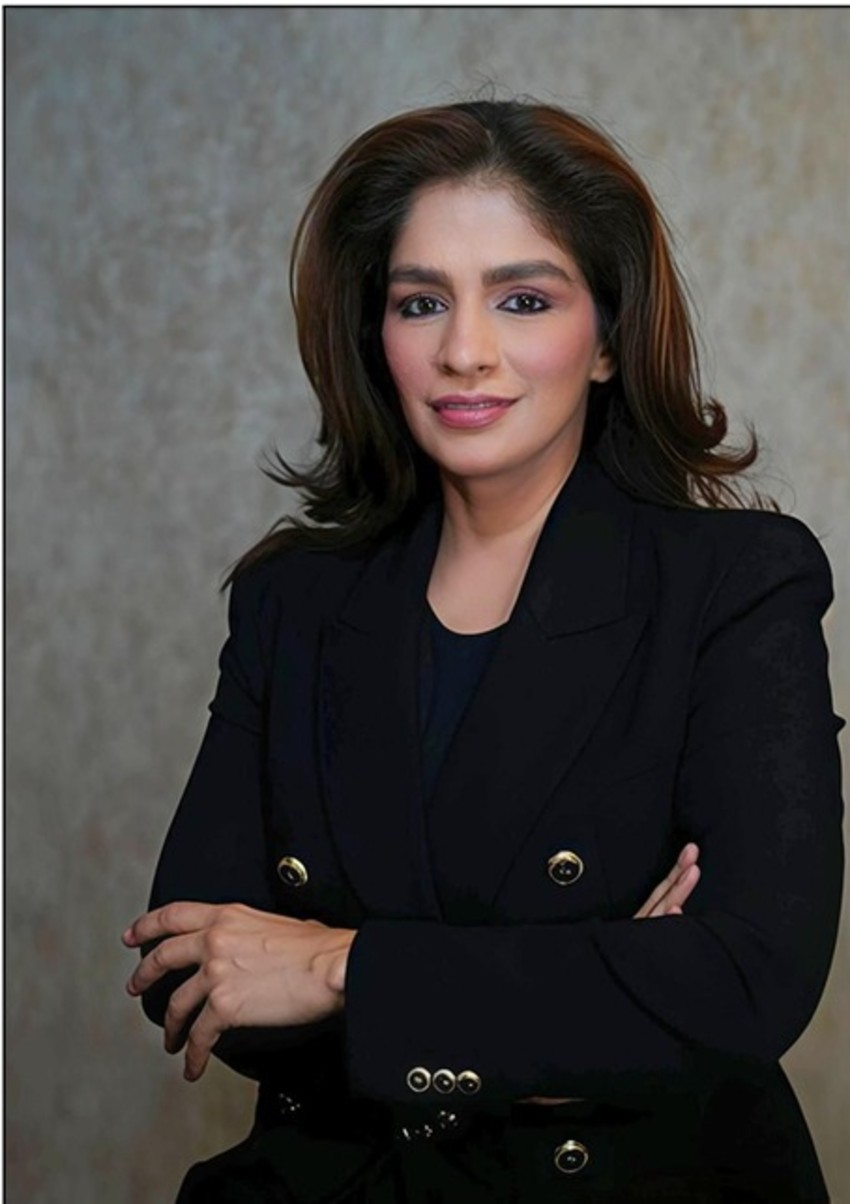
Avani Agasti, Director, Agasti Mode Limited, shares why trust, impeccable tailoring and generational relationships remain the foundation of Indian bespoke luxury.
1. You stepped into a brand with a fifty-year legacy. How do you strike the balance between honouring what Madhav Agasti has always stood for and bringing your own perspective to it?
I didn't walk into this house as a designer with a vision to prove. I walked in as a family, and that distinction changed everything about the label and fashion industry. In my first year, I didn't change a single silhouette. I spent that time watching how my father-in-law spoke to clients, the way he remembered small details about a person's preferences from fittings years earlier without ever checking a file. That kind of memory isn't a system, it's a relationship, and you can't shortcut your way into earning it. So my changes started at the edges, not the core. How we photograph a fitting, how we follow up with a client after a delivery, the small experiential touches around the craft. The construction itself, the tailoring philosophy – I left untouched for a long time because you earn the right to touch the core only after you've proved you understand why it was built that way in the first place.
For me, the foundation never changes. Madhav Agasti has always been synonymous with “Fit before flourish”, a concept that is personal to all our clients. My role isn't to reinvent that legacy but to make it relevant for a new generation. I bring my perspective through storytelling, styling, and the way we present the brand to the world, while ensuring that every piece continues to embody the same precision and care that the house has stood for over the last five decades.
2. Many luxury brands today are built around aspiration and marketing, whereas Madhav Agasti's legacy has been built through relationships, precision, and craftsmanship. In today's market, which do you think creates more enduring value?
Marketing gets you a first client. Relationships get you that client's son, fifteen years later, for his wedding suit. I've had a foot in both worlds; my background in styling came from an industry that runs almost entirely on visibility and marketing, and this house runs on memory and trust built over decades. I wouldn't call one fake and one real; they're both legitimate strategies, but only one of them survives a bad season, a recession, or a shift in trends. If I had to bet the next fifty years of this house on a single asset, it would be relationships, not campaigns.
3. Your styling background gives you a different lens from traditional tailoring. How has that influenced the way you are evolving the brand for a younger generation?
Styling trained me to ask a different question than tailoring does. Tailoring asks what the garment is. Styling asks who the person becomes when they put it on and walk into a room. That distinction sounds subtle, but it changes everything about how you design for someone. I'll be honest, there was real resistance internally when I first started pushing this lens. Some of the more traditional team members saw styling as a surface-level add-on compared to the seriousness of bespoke construction. I had to prove, patiently, that the two aren't in competition, that styling doesn't dilute craftsmanship; it just gives it a stronger context. In practice, what changed is that we now build a real conversation into every fitting about how a client will actually live in a piece, not just how it measures on their body. It's a small shift procedurally, but it's the one clients comment on the most.
4. The Cannes Film Festival and Wimbledon were significant milestones for the label. What did those moments represent for you as an Indian luxury house?
Honestly, the anxiety before those moments was far bigger than the pride that came after. Putting a fifty-year-old family name in front of the global fashion press for the first time carries a different kind of pressure when it's not just your reputation on the line, it's the family's. If it had gone wrong, that failure wouldn't have belonged to me alone. What those moments actually proved, once they landed, is that Indian tailoring doesn't need to be softened, translated, or adjusted to be understood in that room. It stood exactly as it was, without apology, and that was the real validation, not the visibility itself, but the fact that authenticity travelled without needing to be explained.
5. Khadi has traditionally been viewed through the lens of heritage and sustainability. What inspired you to present it on international platforms as a luxury statement?
This one required convincing people inside the house before I ever tried convincing anyone outside it. Khadi in India carries a very specific set of associations: sustainable, humble, everyday wear, and repositioning it as a luxury fabric meant unlearning those assumptions first internally. The real test wasn't even about the fabric's quality, which has never been in question; it was about whether clients paying for luxury tailoring would choose it over imported silk. That was a genuine commercial risk, and it was mine to defend to the family before it ever reached a single client's fitting room.
6. Many legacy brands struggle to remain relevant. What have been the biggest lessons in modernising a heritage business without losing its authenticity?
The hardest lesson I've learned is that not every good idea belongs in this house, even when it tests well externally. I've shelved concepts that would have performed well on paper, in terms of trend relevance or press interest, simply because they didn't feel right for what this brand represents. That discipline, saying no to something that could work, is far harder than generating new ideas in the first place. Being the daughter-in-law in this business gave me the space to bring new thinking in, but it never gave me permission to be careless with it. Every change I've made had to be justified on its own terms, not just tried because it was new or because I wanted to leave a mark.
7. As you expand into markets like Delhi and Dubai, what do global audiences appreciate most about Indian bespoke tailoring, and what misconceptions do you find yourself challenging?
The misconception I run into most often is that Indian bespoke tailoring exists purely for weddings and traditional ceremonial wear. I usually spend the first part of any new client meeting undoing that assumption before we even get into design conversations. What actually resonates with global clients, once they're past that misconception, is the sheer level of personal attention we offer, something most European heritage houses have quietly moved away from as they've scaled internationally. We haven't scaled that part of the business away, deliberately, and that's exactly what clients in markets like Dubai are responding to.
8. If you could define the future of Indian luxury in one sentence, what would it be and where do you hope Madhav Agasti fits into that future?
Indian luxury stops being luxury the moment it's imported wholesale from someone else's playbook; its future belongs to brands confident enough to look unmistakably like where they come from.
As for where I want this house to sit in that future, it's not about being the biggest name in the category. I want Madhav Agasti to be the name people trust enough to hand down, literally, father to son, the way it's already happening.
9. Your father-in-law built the brand one client at a time, largely through relationships rather than marketing. In today's digital-first world, what aspects of that philosophy do you believe should never change?
He never chased a client, not once, in fifty years. He built something people simply returned to on their own. That instinct is the one thing I actively protect against every piece of advice telling me to scale faster or chase more visibility. Digital tools are genuinely useful for reach, but I've watched what happens to other heritage brands when they let a platform define their identity instead of the other way around: they lose the very thing that made people trust them in the first place. I won't let that happen here, no matter how much pressure there is to modernise faster than the house is actually ready to.
In Cover Image: Avani Agasti, Director, Agasti Mode Limited