
Vidhi Gupta
01-Apr-2026
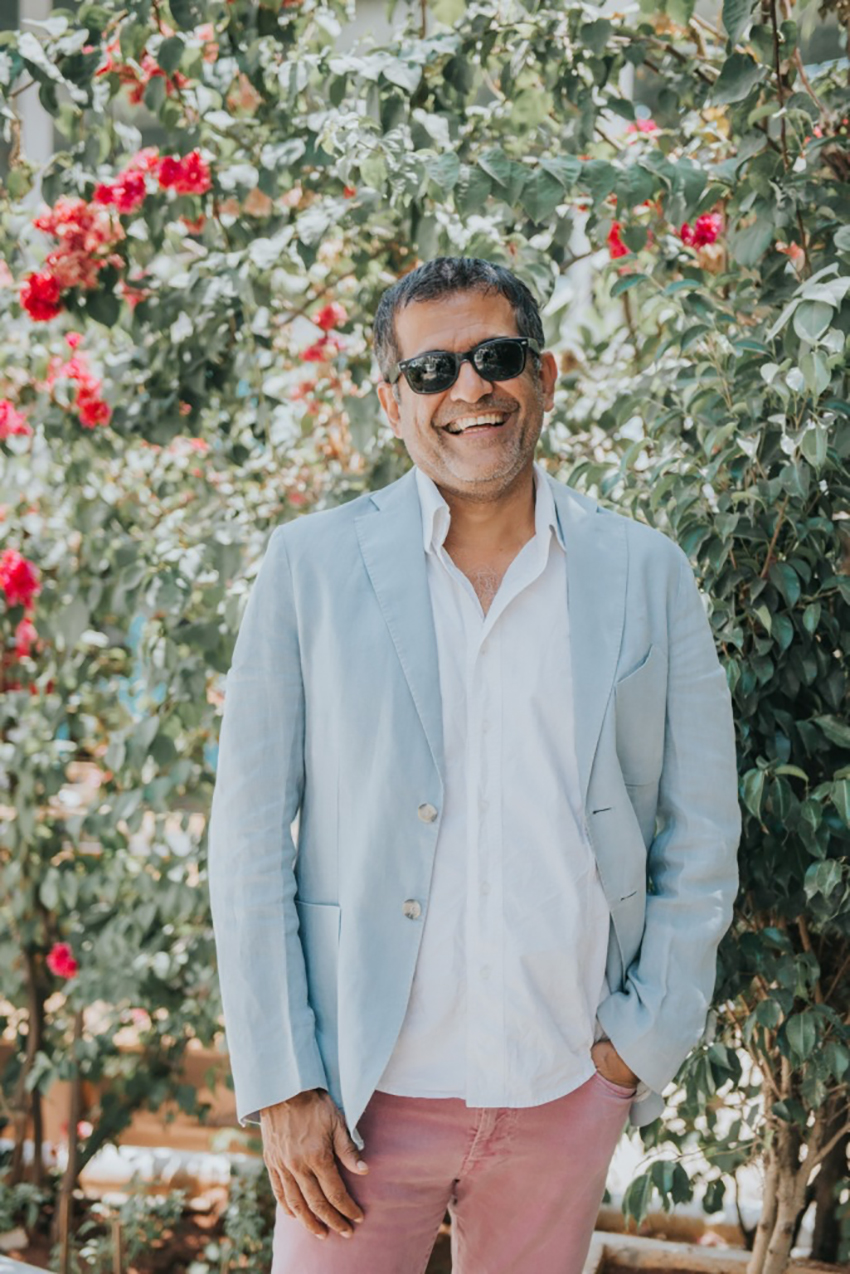
Some restaurateurs don’t just serve food, they shape how a city eats, gathers, and celebrates life. AD Singh is undoubtedly one of them.
As the Founder and Managing Director of the Olive Group, he is widely regarded as one of the trailblazers who introduced India to a more refined, design-forward, and experiential approach to dining- long before it became the norm. For a new generation of restaurateurs, he isn’t just an industry leader; he’s a benchmark. As Olive Bar & Kitchen Mumbai marks an impressive 25 years, the moment feels less like a milestone and more like a celebration of legacy. Among the first to shape Mumbai’s now-thriving destination dining culture, Olive with its Mediterranean spirit, set new standards for how Indians dine out.
In true AD Singh fashion, there’s a lightness and wit to how he reflects on this journey: when Olive first opened, Mumbai didn’t quite have spaces that allowed you to pause. Olive became that rare place where people stayed for conversations, for second bottles, and for life to happen in between. As he puts it, it’s witnessed everything from first dates and proposals to heartbreaks and reunions, and sometimes all for the same people.
Warm, witty, and always insightful, AD Singh remains as engaging as the spaces he creates. In this conversation, we talk about a typical day in his life, India’s dining landscape, and what impresses him about restaurants.
1. If you had to introduce someone new to Olive Bar & Kitchen, what story would you tell?
I’d probably tell them that Olive Bar & Kitchen was never meant to be just a restaurant - it was meant to feel like you’d stumbled into someone’s home in the Mediterranean, except that home happened to be in Bandra and well-stocked with cocktails.
So the story I’d tell is simple: Olive isn’t where you come to eat, it’s where you come to be - the food and drink are just very good accompaniments to that.
2. Which is your favourite dish from Olive?
That’s like asking me to pick a favourite child - dangerous territory.
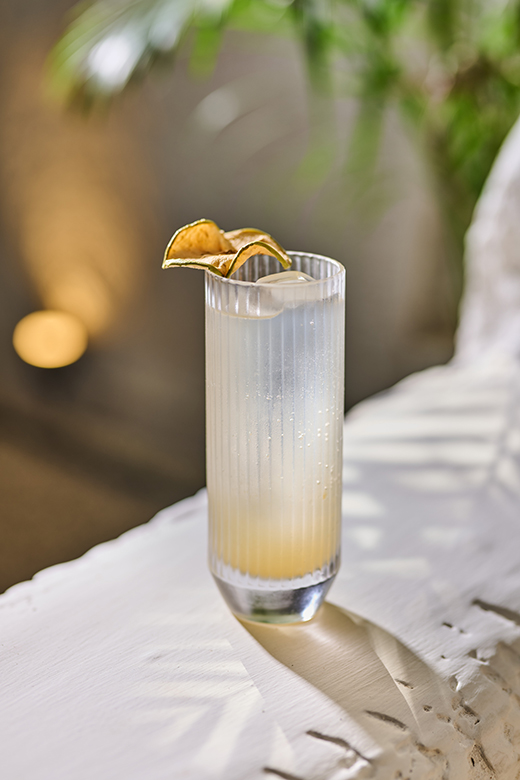
But if I had to, I’d say our Prawns Ajillo and Mushroom Risotto. These dishes have stayed on through decades, trends, and chefs … and they still do exactly what they’re meant to do: comfort you without trying too hard.
There’s something quite reassuring about a dish that doesn’t feel the need to be reinvented every six months. In a world that’s constantly chasing the new, I find a lot of joy in something that just gets it right, consistently.
3. The hospitality landscape today is vastly different from when you started. What do you think the next big shift in how India dines will look like?
I think we’re moving from a phase of consumption to a phase of discernment.
For a while, it was about ticking boxes: new restaurant, new cuisine, new chef. Now I see a growing fatigue with that. People are beginning to ask: How does this place make me feel? Do the food and service bring me back on a random Tuesday?
The next shift, I believe, will be towards places that build emotional equity, not just novelty. Restaurants that understand rhythm- weekday lunches, quiet dinners, community tables, not just weekend frenzy.
Also, a lot more honesty. Simpler menus, better ingredients, less theatre for the sake of it. The dining scene will grow up a little, and I think that’s a very good thing.
4. If Olive Bar & Kitchen were opening for the first time in 2026, what would you do completely differently, and what would you refuse to change?
If I opened Olive today, I’d probably be far more “digital” in how we build community: storytelling, engagement, and creating a sense of belonging even before someone walks in. We use social media now, but didn’t have that luxury when we started. We had to rely on word of mouth and a bit of luck.
What I would absolutely refuse to change is the soul of the place. The slightly imperfect charm, the sense that it’s lived-in, that it has stories in its walls.
I think a lot of new spaces are technically perfect but emotionally sterile. I’d still choose warmth over perfection, every single time.
5. How have you protected Olive’s DNA while growing the business over 25 years?
By being very clear about what Olive Bar & Kitchen is not.
We’ve said no more often than we’ve said yes - whether it’s to locations, partnerships, or ideas that didn’t feel aligned. Growth is tempting, but it can dilute you very quickly if you’re not careful.
Also, people. Many of the team have been with us for years, even decades. They carry the culture far more authentically than any brand guideline ever could.
DNA isn’t something you protect through rules, it’s something you protect through instinct, through saying, “This doesn’t feel like us,” even when it makes business sense.
6. From a founder's lens, what has been your most expensive mistake and the most valuable lesson it taught you about the dining business?
I’ve made enough expensive mistakes to write a small book. But if I had to pick one pattern, it’s expanding too quickly or for the wrong reasons. Sometimes you chase an opportunity because it looks good on paper, or because everyone else is doing it, and you ignore that small voice telling you it doesn’t quite fit.
The lesson- restaurants are deeply emotional businesses. If the energy, location, timing, and team don't all align, no spreadsheet will save you.
Also, never underestimate how long it takes for a restaurant to find its rhythm. Impatience is a very expensive trait in this business.
7. What does a typical day look like in your life?
There’s a lot more routine than people imagine, and slightly less glamour.
Mornings are usually quieter -some family time and then emails, calls, catching up on what’s happening across the different restaurants. Afternoons tend to be about meetings, tastings, ideation, or walking through spaces.
Evenings, when I can, I like to be in the restaurants - not always in an obvious way, but just observing. Watching how people interact with the space, how the team moves, where the energy is. Otherwise, most of my evenings are reserved for my kids. These are the years when they still have time for their dad, and I’m not about to miss that. Before you know it, I’ll be competing with friends and parties, and I suspect I won’t win.
8. When you dine at restaurants worldwide, what features or services instantly impress you?
It’s rarely the obvious things.
Of course, good food and good service are non-negotiable, but what really impresses me is awareness. A team that reads the table correctly, that knows when to engage and when to step back.
I love it when a place gets the small things right: the music volume, the pacing of courses, the lighting as the evening progresses. These are details you don’t consciously notice, but you definitely feel.
And above all, sincerity. You can tell when hospitality is genuine versus when it’s rehearsed. The former stays with you far longer.
9. If you were mentoring a young hospitality entrepreneur today, what would you advise them?
Firstly, spend time on the floor. There’s no shortcut to understanding this business - you have to live it, night after night.
Secondly, don’t open a restaurant because it seems glamorous. It’s not. It’s hard, relentless, and occasionally heartbreaking, but if you love it, there’s nothing quite like it.
And finally, build something you’d want to return to yourself. Not just once, but repeatedly. Trends fade, Instagram moves on, but habit, loyalty, and emotional connection… those are what build restaurants that last
Also, keep a sense of humour. You’ll need it more often than you think.