
Neha Mehrotra
02-Jul-2026
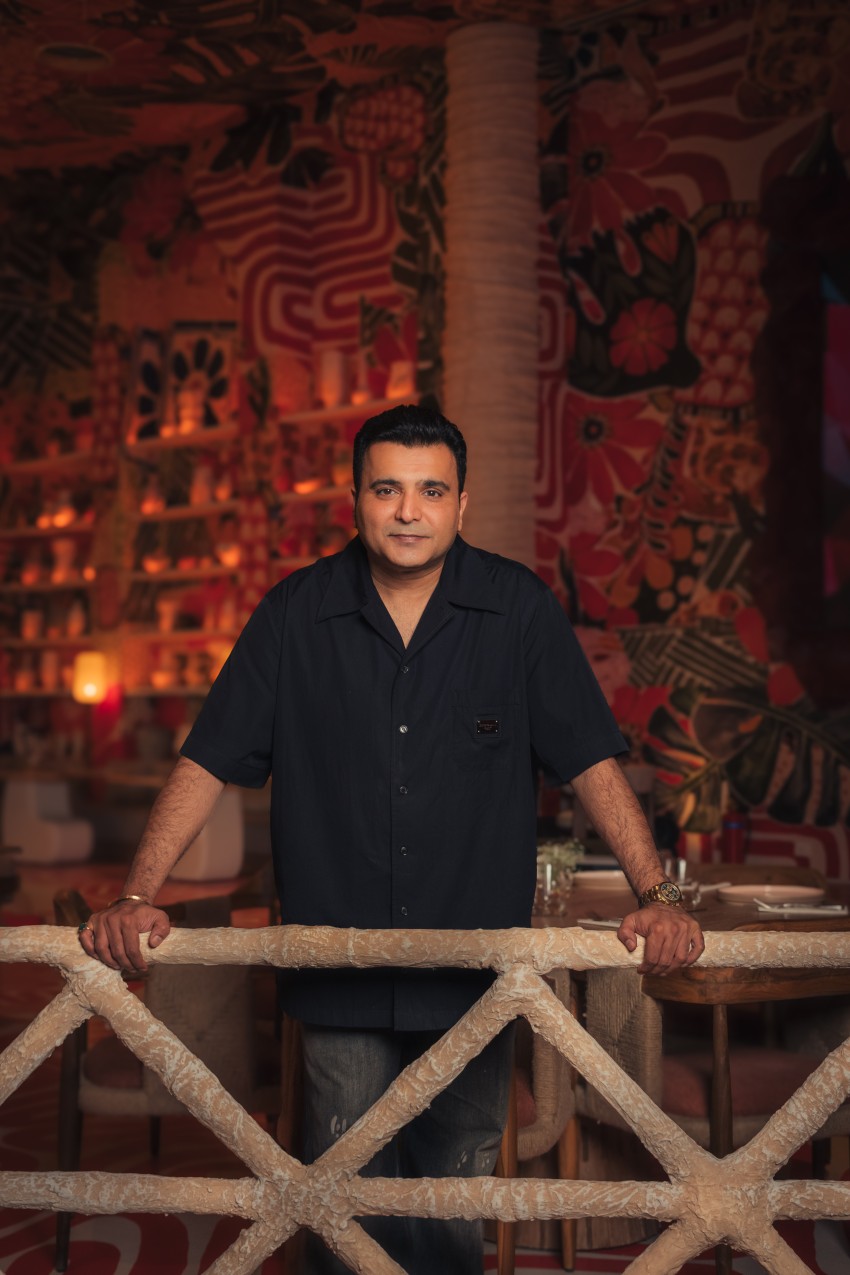
As Bastian Hospitality expands further into integrated hospitality, Founder & CEO Ranjit Bindra shares his vision for the future of experiential hospitality in India.
As India’s hospitality industry evolves beyond traditional dining into immersive lifestyle experiences, few names have shaped this transformation as distinctly as Ranjit Bindra. Founder and CEO of Bastian Hospitality, Bindra has built a portfolio of destination-led concepts that blend food, entertainment, wellness, culture, and design into experiences that resonate with a new generation of consumers. From the iconic Bastian properties across Mumbai, Bengaluru, Pune, and Goa to the recently launched Maison Twenty-Seven in Ahmedabad, his vision reflects the growing shift toward integrated hospitality ecosystems that go far beyond restaurants.
In this conversation with PEAKLIFE, Ranjit Bindra talks about the evolution of Bastian Hospitality, the rise of experiential and wellness-led destinations, the changing expectations of Indian consumers, and why the future of hospitality lies in creating spaces where people live, connect, and celebrate.
1. What gap in India’s hospitality landscape were you trying to fill when you launched Bastian Hospitality in 2014?
When we launched Bastian in 2014, India's hospitality landscape was entering an exciting phase of evolution. While there were exceptional restaurants in the market, I felt there was an opportunity to create something larger than dining itself, a destination that people connected with emotionally, where food, design, music, culture and community came together to create a complete experience.
From the beginning, the vision for Bastian was not to build restaurants but to build brands, communities and experiences that become a meaningful part of people's lives. Places where celebrations unfold, memories are created, and culture is shaped. More than a decade later, that philosophy continues to guide us. Whether through restaurants, wellness, entertainment or new hospitality formats, our ambition remains the same: to help shape the future of Indian hospitality while creating experiences that are proudly Indian and world-class in every sense.
2. Bastian has evolved beyond dining into a full lifestyle ecosystem. Was that always part of the long-term vision?
The vision has certainly evolved over the years, but the philosophy has remained consistent. From the very beginning, we viewed hospitality as something much broader than restaurants. Our goal was never simply to serve meals; it was to create destinations that people felt connected to, places they would return to because of how those experiences made them feel. As consumer lifestyles evolved, so did our understanding of what hospitality could encompass. Wellness, entertainment, community, travel and culture are no longer separate categories; they increasingly form part of a single lifestyle ecosystem. We saw an opportunity to participate in that shift by creating experiences that extend beyond traditional dining and become a meaningful part of people's everyday lives.
3. How do you define experiential hospitality in today's market?
Today guests are increasingly seeking experiences that go beyond exceptional food and service. They are looking for environments that feel immersive, personal and emotionally engaging, places where design, music, culture, storytelling and human connection come together to create something meaningful.
I believe the most successful hospitality brands of the future will be those that understand they are not simply serving customers; they are creating experiences that become part of people's lives and memories. Every touchpoint, from the atmosphere and the energy of a space to the interactions guests have within it, contributes to that emotional connection. Ultimately, experiential hospitality is about creating destinations that people remember long after they leave, and more importantly, places they feel compelled to return to time and time again.
4. Maison Twenty-Seven marks a major shift into integrated hospitality and wellness-led experiences. What inspired this move?
Maison Twenty-Seven was born from a simple observation: modern consumers no longer view wellness, leisure, dining, work and social interaction as separate parts of their lives. They move fluidly between them and increasingly seek destinations that can support those different needs within a single ecosystem.
We saw an opportunity to reimagine hospitality through that lens. Rather than creating a venue centred around one experience, we wanted to build a destination that could seamlessly integrate multiple aspects of contemporary living while remaining anchored in the principles of exceptional hospitality. Maison Twenty-Seven reflects our belief that the future of hospitality lies in creating holistic, experience-led environments that evolve with the lifestyles of the people they serve. Whether someone visits for wellness, a meal, coffee, work, social connection or simply a moment to pause, the destination is designed to fit naturally into different parts of their day.
5. What opportunities do you see in hospitality spaces connected to travel hubs and airports?
Globally, airports are undergoing a remarkable transformation. They are no longer viewed solely as transit infrastructure; they are emerging as dynamic lifestyle, commercial and cultural ecosystems in their own right. We believe this presents a significant opportunity, particularly in India, where investments in infrastructure and connectivity are reshaping the way people travel, work and engage with cities.
What excites us most is the opportunity to create experiences that serve both travellers and local communities. Historically, airport hospitality has been designed almost exclusively around transit passengers. We believe there is an opportunity to rethink that model by creating destinations that offer genuine value to a much broader audience. As India's infrastructure story continues to unfold, airports will increasingly become important centres for hospitality, wellness, dining, entertainment, commerce and business interaction.
6. What, according to you, makes a hospitality brand culturally relevant today?
Cultural relevance is not something a brand can manufacture; it comes from genuinely understanding the world your consumer lives in and the conversations shaping their lives. Today's consumers are drawn to brands that feel authentic, have a distinct point of view and create meaningful connections with the communities they serve. They are looking for experiences that reflect contemporary lifestyles while still feeling rooted in a sense of identity and place. At the same time, there is a growing pride in local culture, craftsmanship and storytelling. I believe the most compelling hospitality concepts are those that can celebrate these elements in a way that feels modern, aspirational and globally relevant. For hospitality brands, success lies in striking the right balance between global standards and local character.
7. Do you think the future of hospitality lies in multi-functional lifestyle destinations rather than standalone restaurants?
Standalone restaurants will always remain an essential part of the hospitality landscape. There is something timeless about a great dining experience, and we believe exceptional restaurants will continue to thrive. At the same time, consumer expectations are evolving. People are increasingly looking for destinations that fit more seamlessly into their lifestyles. This shift is driving the rise of integrated lifestyle ecosystems, where hospitality extends beyond a single occasion or transaction to become part of a guest's broader daily routine. Whether through dining, wellness, entertainment, community or culture, the goal is to build destinations that foster meaningful relationships with guests and become a lasting part of how they live, socialise and experience their city.
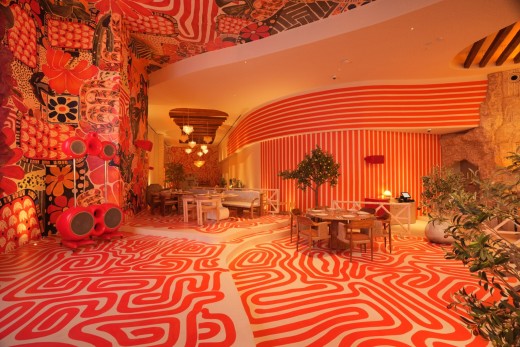
(Image Credits: Masion Twenty Seven, Ahmedabad)
8. Looking back, what has been your biggest learning as an entrepreneur over the last decade?
My biggest learning has been that hospitality is a people’s business. Concepts, locations and trends will evolve, but building the right team, nurturing talent and creating a strong culture are what allow a brand to endure. I've also learned that patience and conviction are incredibly important. We've seen failures, learned, pivoted and come back stronger. Growth doesn't happen overnight, and building meaningful brands requires consistency in principles, resilience and a willingness to keep innovating even when the outcome isn't immediately visible.
Over the last decade, India itself has transformed. Consumers are more discerning, more global in their outlook and more willing to embrace new experiences than ever before. It's been incredibly rewarding to grow alongside that evolution and contribute to shaping a new chapter of Indian hospitality.
9. What’s next for Bastian Hospitality? Do you have any plans of expansion in Tier 2 and Tier 3 cities as well?
We remain incredibly optimistic about the future of Indian hospitality as India is entering a period of unprecedented growth. As we continue to expand, our focus remains on building distinctive, India-proud concepts that respond to evolving consumer behaviour while contributing meaningfully to the country's hospitality, tourism and cultural landscape.
We are particularly excited by the opportunities emerging beyond traditional metro markets. As infrastructure investment transforms connectivity across the country, a number of new cities are witnessing significant growth in lifestyle demand and consumer spending. We see tremendous potential in these markets. Looking ahead, we will continue exploring opportunities through strategic partnerships and innovative formats across hospitality, wellness, private members' clubs, branded residences, integrated lifestyle destinations and delivery-led concepts.
10. Are there any hospitality formats or global trends you are particularly excited to explore?
What excites us most is the growing evolution of hospitality from a category people occasionally engage with to one that plays an increasingly meaningful role in how they live, connect and spend their time. As a result, formats such as private members' clubs, branded residences, wellness-led destinations and mixed-use lifestyle developments are particularly compelling to us. These categories have gained significant momentum globally, and we believe they represent a natural evolution of consumer expectations in India as well.
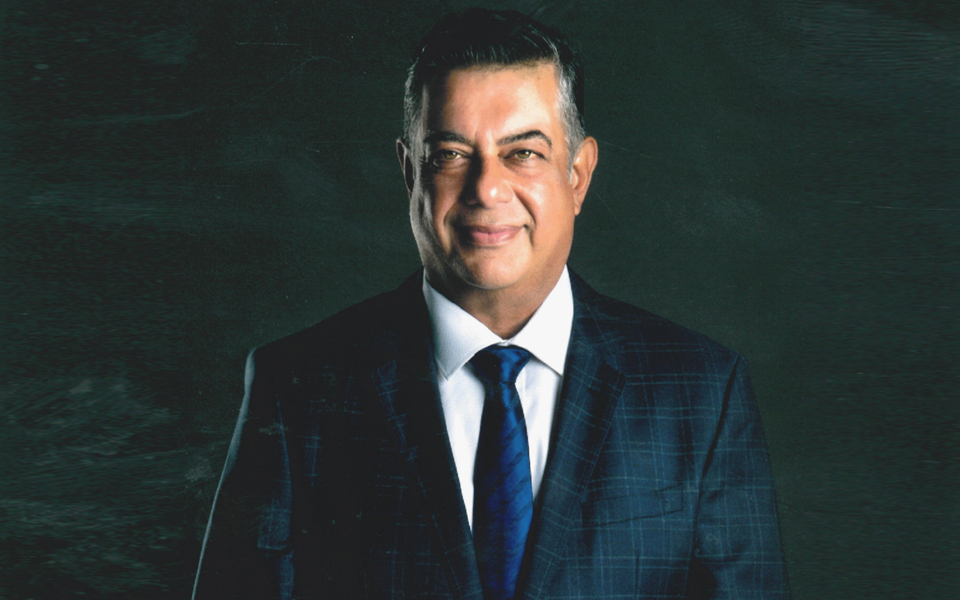
Cover Image Credits: Ranjit Bindra, Founder & CEO , Bastain Hospitality