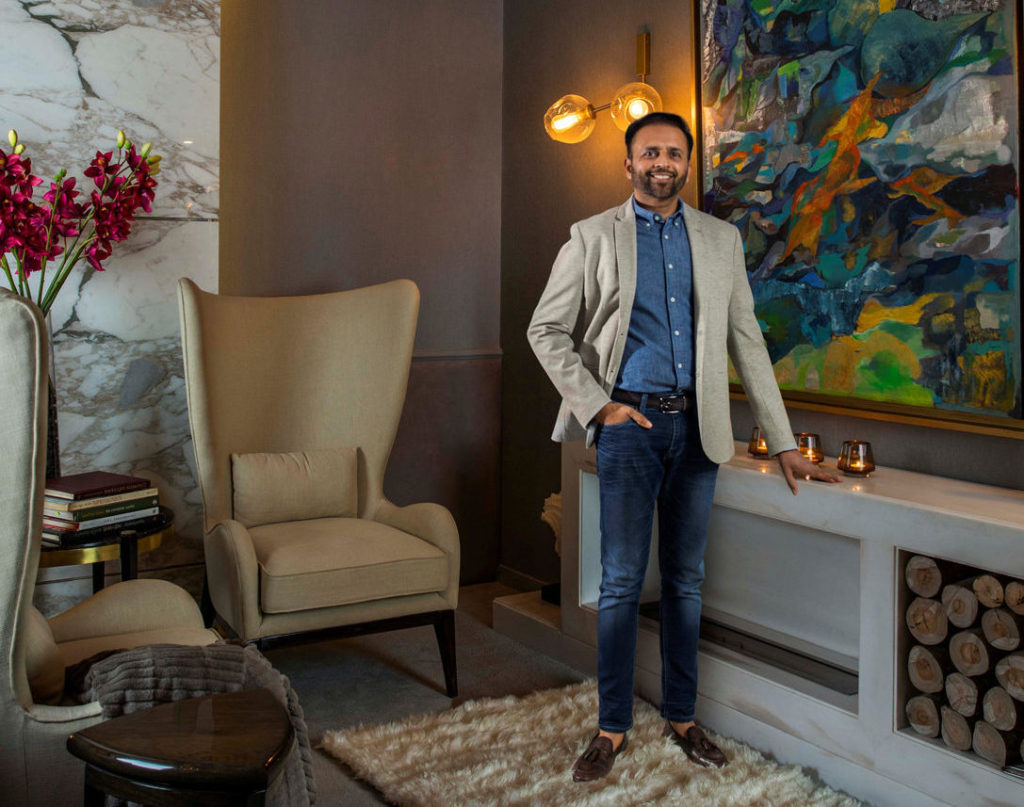

Rohini Bagla, Principal Designer, Studio Rohini Bagla
06-Feb-2026
Indian homes once viewed as excess are now influencing how the world thinks about living.
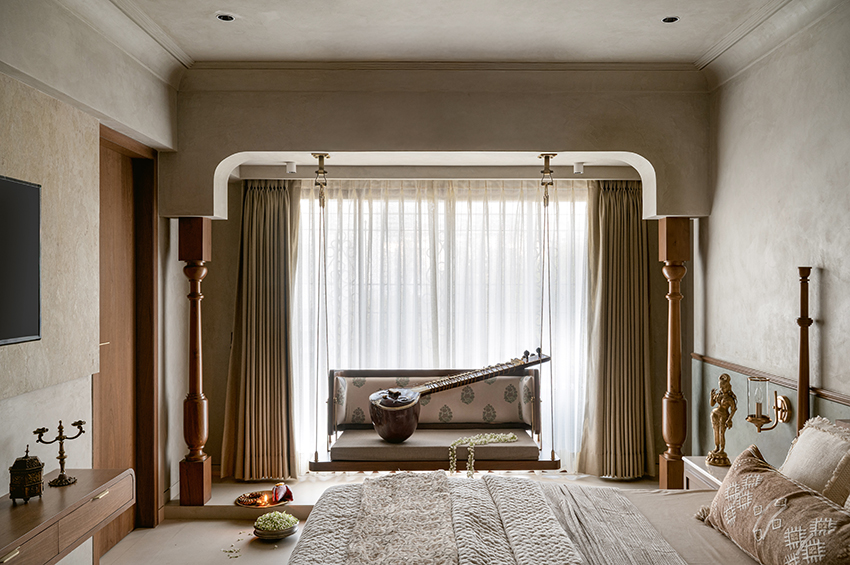
As we step into 2026, the global design conversation is decisively shifting eastward. Indian homes—once viewed through the lens of ornamentation and excess—are now emerging as thoughtful, restrained, and deeply intentional spaces that influence how the world thinks about living.
Indian homes today are designed to be inhabited, not merely admired. At Studio Rohini Bagla, we see this evolution every day—clients are no longer asking for “Pinterest-perfect” interiors. They want homes that feel calm, intuitive, and personal. This is perhaps India’s most powerful contribution to global design in 2026: a return to purpose.
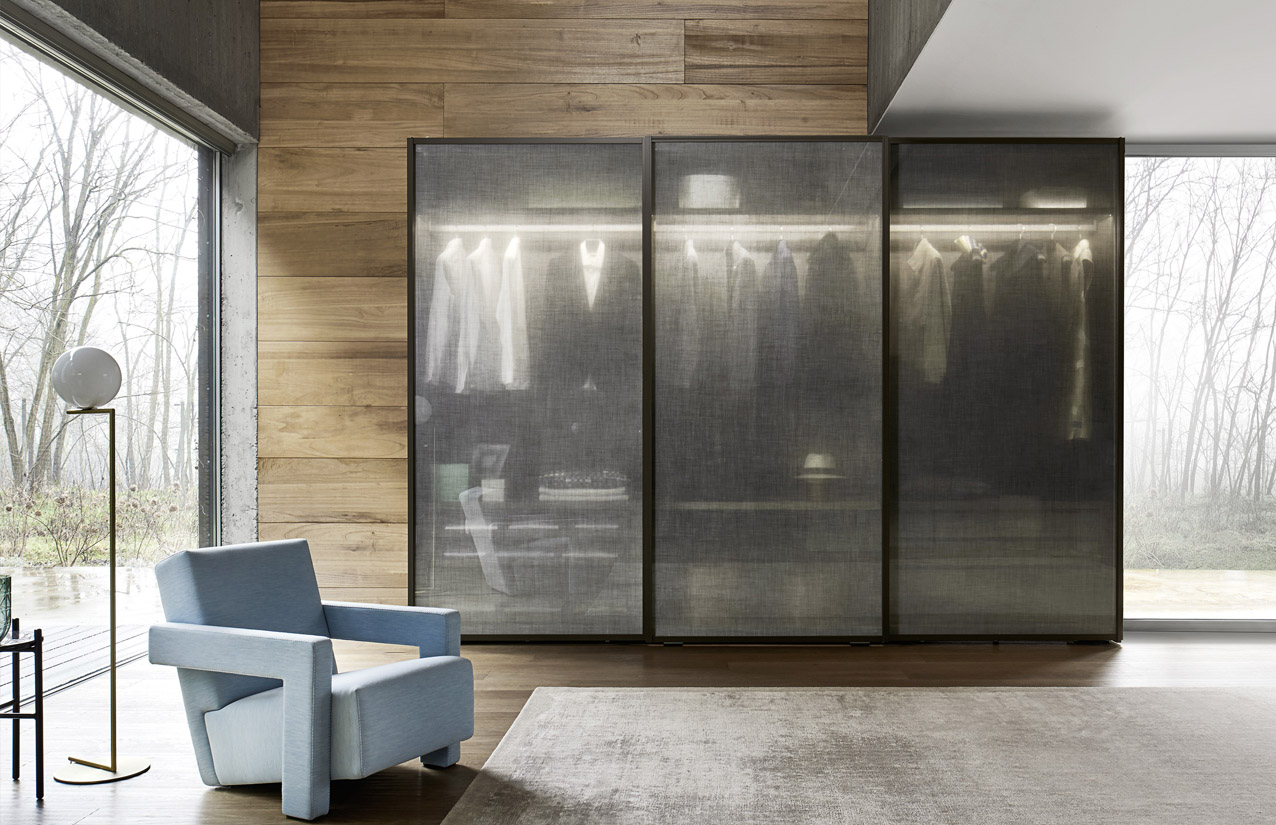
Minimalism, for instance, has long been a global movement, but Indian homes are reframing it with warmth. Instead of stark, impersonal spaces, we are seeing minimal interiors softened by tactile materials, layered neutrals, and thoughtful colour placement. Marble floors coexist with handwoven fabrics, clean-lined furniture is paired with bespoke art, and every element is chosen to support daily life.
Another defining shift is the focus on personalisation. Globally, homes are becoming more standardised; in contrast, Indian interiors are unapologetically individual. A home in Mumbai or Bengaluru today reflects the lifestyle, routines, and emotional needs of its residents. Whether it’s a custom storage solution designed around a family’s habits or subtle spatial zoning in compact apartments, Indian homes are proving that good design lies in understanding people first.
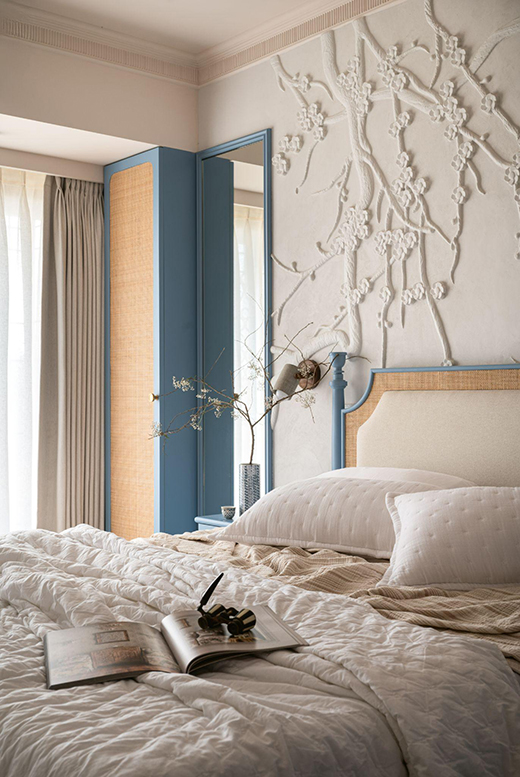
Spatial planning is also being reimagined. With urban homes becoming smaller, Indian designers are mastering the art of multifunctional spaces. Living rooms double up as work zones, bedrooms incorporate quiet reading corners, and kitchens are designed as social hubs rather than isolated rooms.
Sustainability, too, is taking on a more grounded meaning. Instead of performative eco-design, Indian homes are embracing longevity. Durable materials, timeless palettes and quality craftsmanship are preferred over fleeting trends. This philosophy resonates globally as homeowners seek mindful, long-term living solutions.
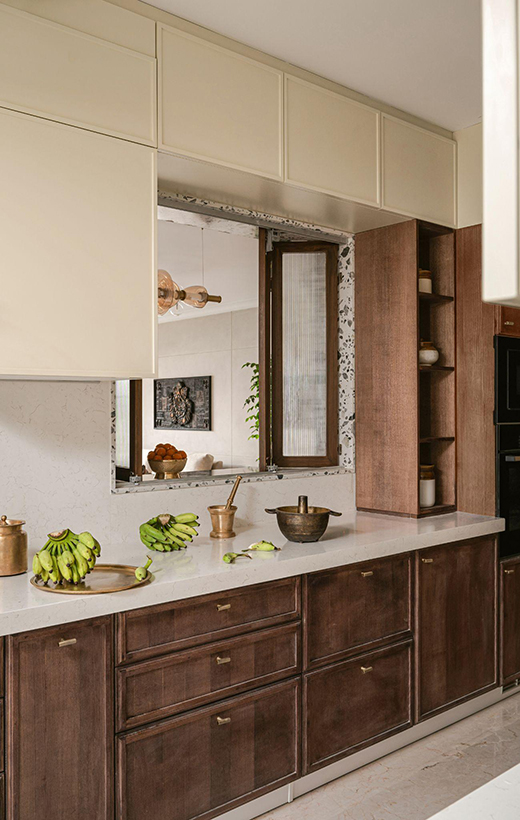
Perhaps most importantly, Indian homes in 2026 prioritise emotional comfort. Soft lighting, uncluttered layouts, and intuitive flow help foster a sense of ease. Homes are becoming sanctuaries—a place you would want to return to after a long day.
As Indian homes continue to be functional while also taking care of emotional needs, they are setting a powerful precedent for the world. In 2026, global design is shifting towards more meaningful spaces that empower and promote rest and relaxation.
All Image Credits: Studio Rohini Bagla