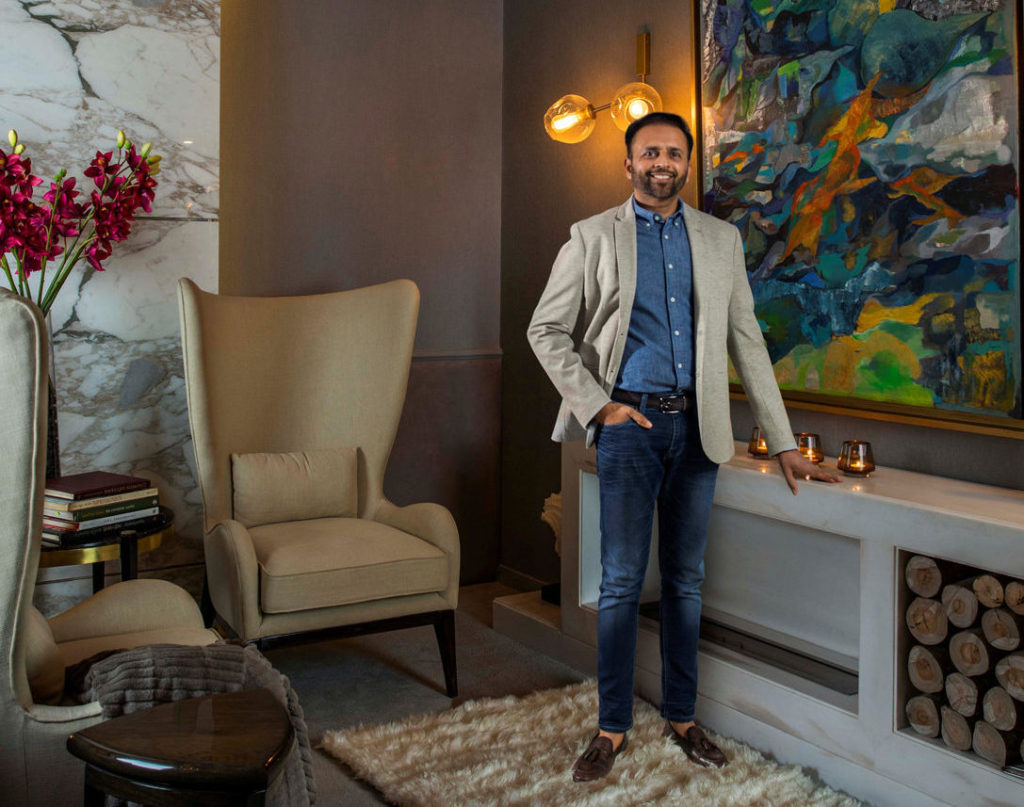

Vijai Subramaniam
24-Jul-2026
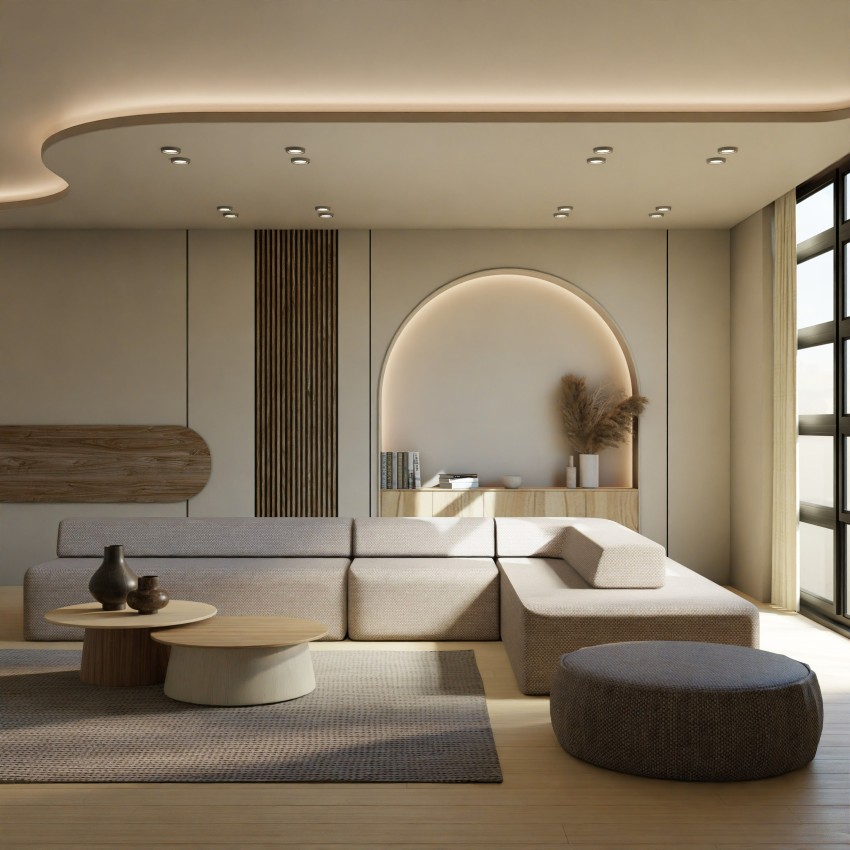
Create a home that feels warm, elegant, and lived in by choosing furniture that reflects your personality.
Input By: Mr Vijai Subramaniam, Chairman & Co-Founder, Royaloak Furniture
For much of the last few decades, luxury interiors were defined by a kind of studied perfection. It included pristine upholstery, premium furniture, and composed rooms that make for better photography than for living. That sensibility is now giving way to something altogether more considered. The discerning Indian homeowner today is drawn to spaces that feel warm, layered, and genuinely inhabited. Shaped by the rise of quiet luxury and heritage modernism, this shift reflects a broader evolution in how we understand the home. Comfort, craftsmanship, and emotional resonance now define what good design means, and the homes that embody this most convincingly are those that look elegant without appearing staged
The Case for Materials That Last
The foundation of any lived-in luxe interior is tactile quality. There is a meaningful distinction between a home that looks expensive and one that feels it, and that distinction is almost always a matter of material honesty. Sensory richness deepens with time, while visual excess tires quickly. The guiding principle is to select materials that age gracefully, rather than those that merely preserve an appearance of newness. Velvet, brass, marble, and stone accents, chosen with restraint, each bring a quality of permanence that no trend-led finish can replicate. For Indian homes in particular, climate-resilient hardwoods such as teak, Sheesham, and rosewood offer a considered combination of durability and warmth. These timbers have anchored Indian interiors across generations. Not only do they finish well, but they also handle humidity with composure and carry a natural authority that engineered alternatives cannot. When paired with breathable fabrics suited to Indian weather conditions, handwoven cotton, slubbed linen, and open-weave jute, the result is an interior as comfortable as it is thoughtfully composed.
Comfort Is the New Luxury
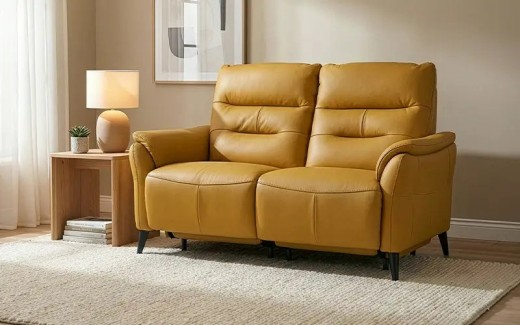
A home that impresses without being inviting has fundamentally failed. The most luxurious quality a piece of furniture can possess is the capacity to draw one in and encourage ease. Selecting furniture that genuinely supports daily living, rather than merely signalling elegance, is among the most consequential decisions a homeowner will make. This requires prioritising deep seating, ergonomic layouts, and pieces that serve more than a single purpose. As urban Indian homes become increasingly compact, the quality of furniture choices becomes correspondingly more important. Sofa-cum-beds that do not compromise on aesthetics, nesting tables that expand and retreat as needed, and storage-integrated pieces that address clutter without drawing attention to it—these are the demands that the market responds to thoughtfully. The wider movement here is towards wellness-focused living. Homeowners are asking how a space will feel to return to and how it will support rest and restoration. Emotional ease and physical comfort have become genuine markers of luxury, and the interiors that achieve them tend towards low-profile silhouettes, uncluttered layouts, and a considered restraint in scale.
Layering Creates Personality
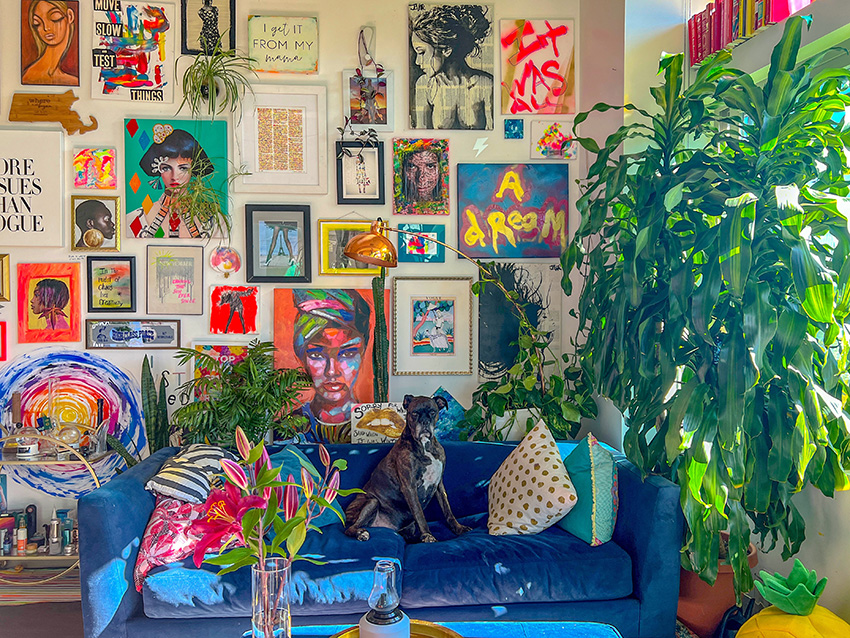
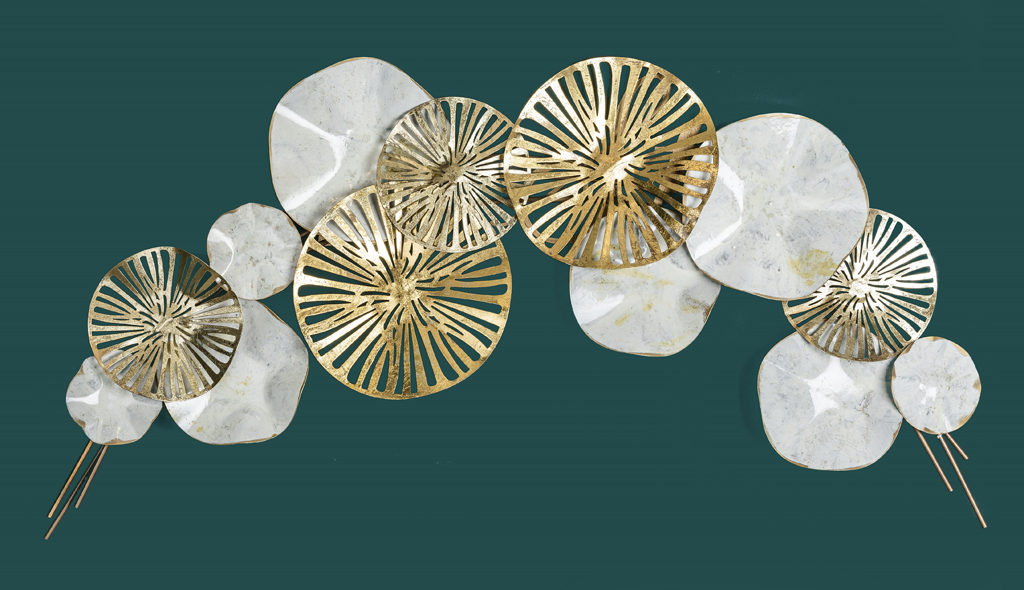
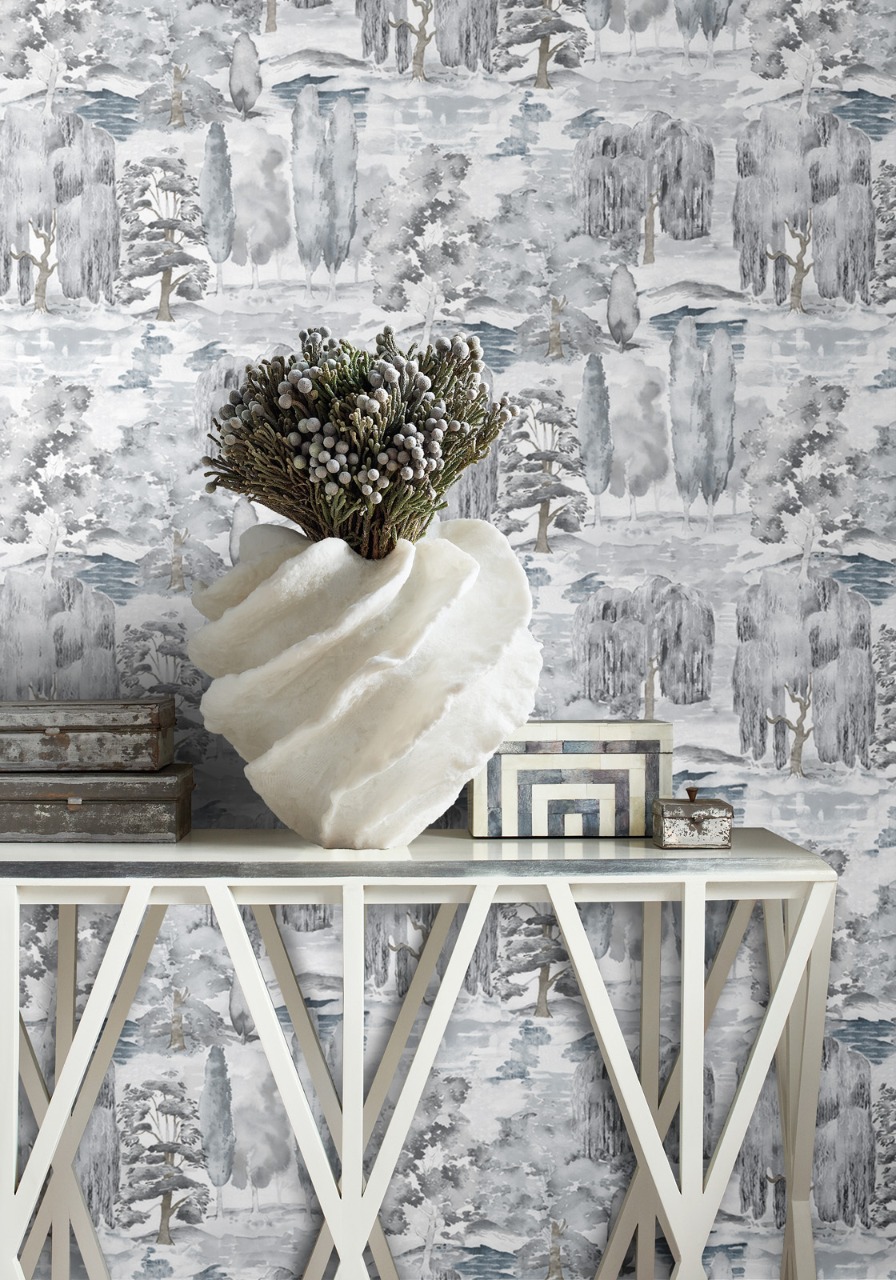
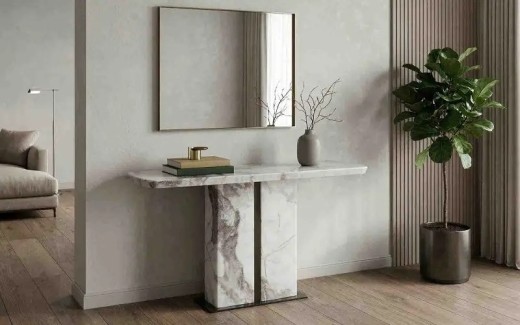
Nothing reveals an interior more readily than perfect uniformity. Homes of genuine character have layers of texture, of era, and of personal meaning. The lived-in luxe aesthetic is one in which pieces appear collected rather than procured, where each element belongs through deliberate choice rather than wholesale acquisition. A palette of considered neutrals provides a composed foundation, but depth comes through the layering of texture. A smooth marble surface works well beside a rough-weave textile, and a polished brass fitting goes best against a matte linen ground. Sculptural furniture pieces can anchor a room without dominating it, and a small number of meaningful accessories will always read more powerfully than decorative abundance. Emotional depth is difficult to design and impossible to buy. It comes from objects with provenance, which include vintage pieces, heritage furniture, wooden chests with visible craftsmanship, and handcrafted decor sourced from genuinely skilled artisans. This instinct is also driving one of the more interesting currents in Indian design today, a blending of contemporary minimalism with distinctly Indian forms. Jhulas, or suspended swings reimagined as sculptural seating; diwans in modern apartments; jali-inspired panels; and artisanal wall treatments – these are all prime examples of Indian Modernism at its most eloquent and exactly the aesthetic that lived-in luxury demands.
Choosing Timeless Furniture Over Trend-Driven Pieces
Trend-led interiors have a shelf life. They read as contemporary for a season and are dated not long after. Timeless interiors resist easy categorisation, appearing to have always been exactly as they are. The approach is simply to invest in a small number of well-made anchor pieces with genuine craftsmanship and material integrity and then build around them with patience. A beautifully constructed dining table, a solid wood wardrobe with hand-fitted joinery, and upholstery of sufficient quality to hold its form across years of use. These are the pieces that give a room its authority. Younger luxury buyers in India are increasingly drawn to a "buy less, buy better" philosophy, not purely for aesthetic reasons, but as an expression of considered values. There is growing interest in refurbishment, sustainable sourcing, and materials chosen for longevity. The lived-in luxe home does not require redesigning every few years. It evolves, accumulates meaning, and improves with age.
Designing for the Indian Urban Lifestyle
Urban Indian homes are becoming smaller and simultaneously more design-conscious. Younger homeowners seek spaces that balance aspiration with practicality, refined without being inhospitable. The Japandi-Indian fusion aesthetic speaks to this sensibility with clean lines and the uncluttered calm of Japanese minimalism, warmed by soft, earthy palettes and the sensory richness of Indian craft traditions. Luxury today is increasingly defined by how well a space functions. A well-designed compact apartment can feel considerably more luxurious than a larger room furnished without purpose. The measure has shifted from scale to quality of experience, and it rewards careful, thoughtful choices at every stage.
Building for the Long Term
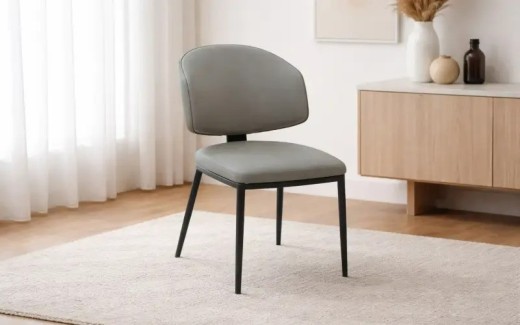
A lived-in luxe home is the product of thoughtful curation, not expenditure. It is built from materials that improve with age, furniture that supports how one actually lives, and layers of texture and personal meaning accumulated over time. The balance it strikes is between comfort and craftsmanship, functionality and beauty, the timeless and the deeply personal. Luxury, in this sense, is no longer about making a statement to others. It is about creating a space that feels considered, comfortable, and enduring, one that does not simply reflect current taste but grows quietly alongside the people who inhabit it. In the end, the finest thing it can reflect is not taste or wealth, but the quiet confidence of someone who knows exactly how they want to live.
Cover Credits: pexels