
Sammeer Pakvasa
20-Feb-2026
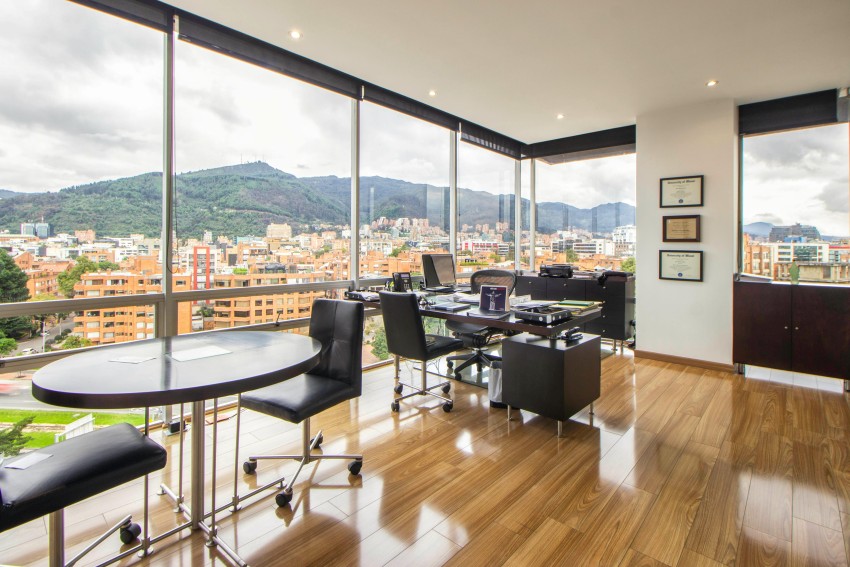
Designing employee-friendly corporate workspaces impacts work levels more than you think!
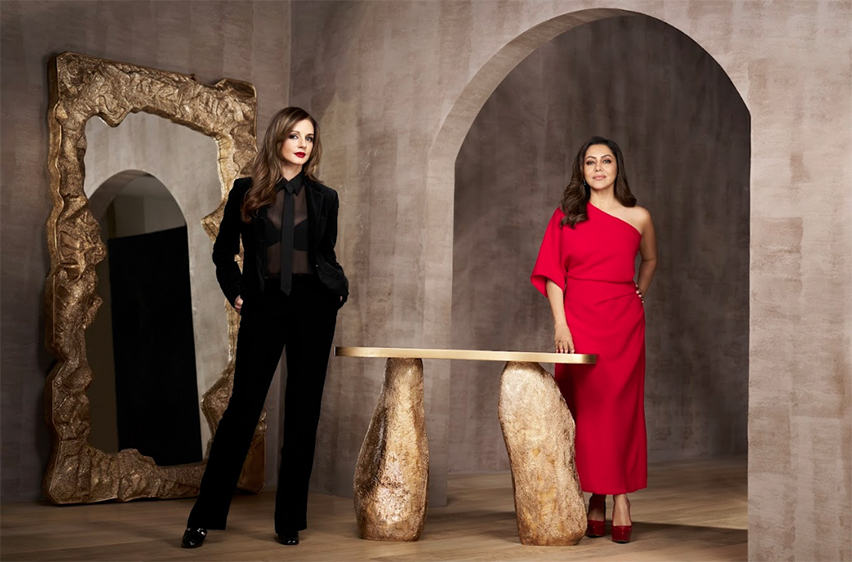
Inputs by: Sammeer Pakvasa, Managing Director & CEO, Eleganz Interiors Limited
For many years, corporate interiors were largely defined by efficiency and brand presence. The objective was simple: optimise space, reinforce identity, and deliver within timelines. Today, that equation has changed. Workspaces are no longer static environments. They are living ecosystems that directly influence behaviour, collaboration, creativity, and well-being.
Having spent over two decades immersed in site execution and large-scale project delivery, I have come to believe that employee-friendly design is all about designing with human behaviour at the centre of every decision.
Employee Experience Begins with Spatial Clarity
An employee-friendly workplace must first feel intuitive. Circulation should be seamless. Movement between collaborative zones, focused work areas, meeting rooms, and breakout spaces should feel natural rather than forced.
When we approach design and build projects, we begin by understanding how people actually work within that organisation. Are teams highly collaborative? Do they require privacy for deep work? Is the culture hierarchical or open? The answers shape the spatial hierarchy. Good interiors align physical flow with organisational culture.
Natural Light, Acoustics, and Air Quality are Non-Negotiable
In dense urban environments, employees often spend long hours commuting before reaching the office. The workplace must therefore support energy recovery rather than contribute to fatigue. Natural daylight improves mood and cognitive performance. Thoughtful acoustic planning reduces mental exhaustion. Indoor air quality affects concentration far more than most organisations realise. These are not luxury considerations. They are foundational to productivity.
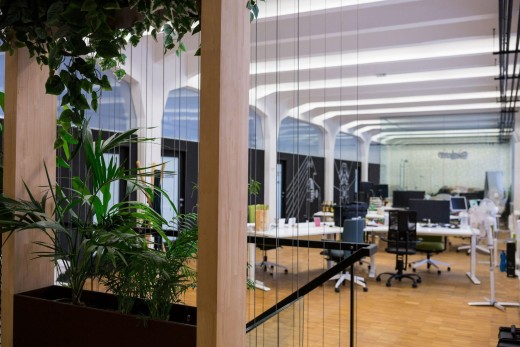
Flexibility is the New Efficiency
Traditional office planning focused heavily on maximising seating density. Today, adaptability matters more than raw numbers. A workplace should be able to respond to changing team structures, hybrid models, and evolving business needs.
Modular layouts, movable partitions, multifunctional collaboration zones, and flexible furniture systems allow organisations to evolve without constant structural changes. Flexibility reduces long-term disruption and makes employees feel that the space adapts to them, not the other way around.
Technology Integration must be Seamless, not Intrusive
Modern employees expect frictionless digital integration. Meeting rooms must connect effortlessly. Smart workplace systems should enhance convenience. However, technology should never dominate the visual or physical environment.
A well-designed workspace hides complexity. It enables seamless connectivity while maintaining visual calm. From structured cabling to integrated AV systems and smart lighting, coordination between services and finishes becomes critical. This is where execution discipline plays a vital role in delivering not just design intent but real usability.

(Sammeer Pakvasa, Managing Director & CEO, Eleganz Interiors Limited)
Spaces for Collaboration and Quiet Must Coexist
An employee-friendly office does not mean an entirely open-plan layout. Nor does it mean isolated cabins. It means balance.
Collaborative zones encourage interaction, innovation, and cultural cohesion. At the same time, quiet pods and focused workrooms allow employees to concentrate without distraction. The absence of quiet spaces often leads to fatigue and reduced output.
When designing interiors, we look at behavioural patterns. Where do spontaneous conversations happen? Where is deep work required? The goal is to create an environment that supports both energy and calm.
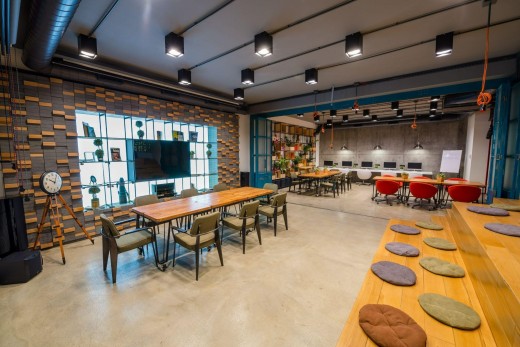
Human-centric Detailing Makes the Difference
Ergonomic furniture reduces physical strain. Intuitive storage reduces clutter. Biophilic elements introduce warmth and balance. Material selection influences both acoustics and psychological comfort.
Even elements such as colour palettes, texture, and lighting temperature affect how employees perceive their environment. A workspace should feel welcoming, not overwhelming. Over the years, I have observed that when detailing is thoughtful, employees may not consciously identify why a space feels better, but they certainly feel the difference.
Back-end Systems Determine the Front-end Experience
What many do not see is that delivering employee-friendly spaces requires strong procurement planning, vendor coordination, and process discipline. If execution is rushed or fragmented, quality suffers. If materials are substituted late, performance parameters can be compromised.
At Eleganz, we believe that nearly half of workplace quality is determined long before the site is handed over. Structured workflows, clear accountability, and early coordination between design and engineering ensure that employee-centric intent translates into built reality.
Workplaces as Long-term Assets
Organisations today compete not only for market share but also for talent. A well-designed workplace signals commitment to employee well-being. It fosters collaboration, strengthens brand culture, and improves retention.
An employee-friendly workspace is not about visual appeal alone. It is about how people feel when they enter, how comfortably they work through the day, and how sustainably the environment supports performance over time.
As our cities grow denser and businesses become more dynamic, corporate interiors must evolve from static layouts into responsive, human-centric ecosystems. Ultimately, the success of a corporate interior is not measured by how impressive it looks on day one. It is measured by how effectively it supports the people who use it every single day.
Cover Credits: Pexels