
Pranjal Shah
04-Sep-2025
With collectibles, experiences, and a seat at some of the biggest cultural moments, the world’s most exclusive names are finding new resonance in stadiums and arenas.
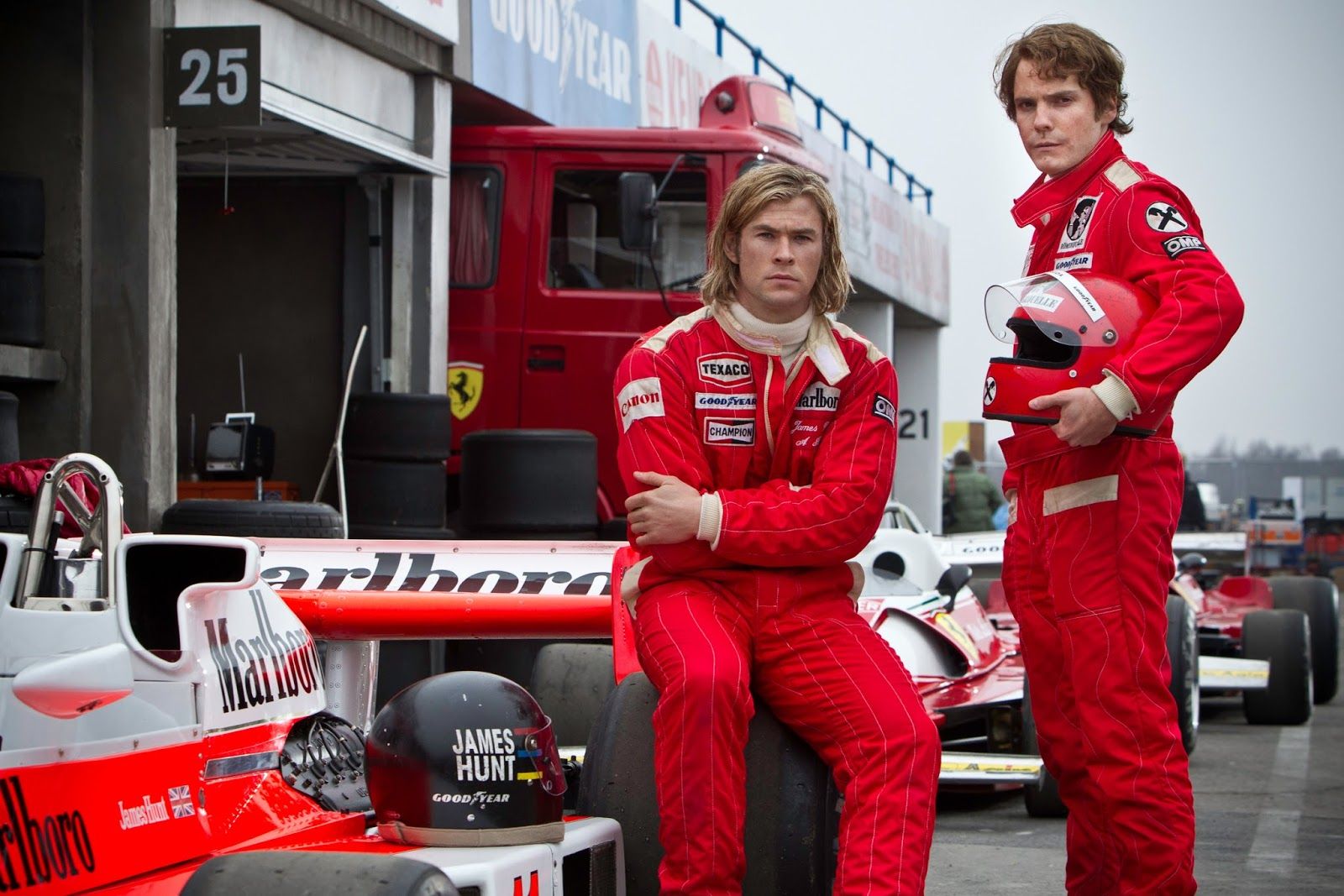
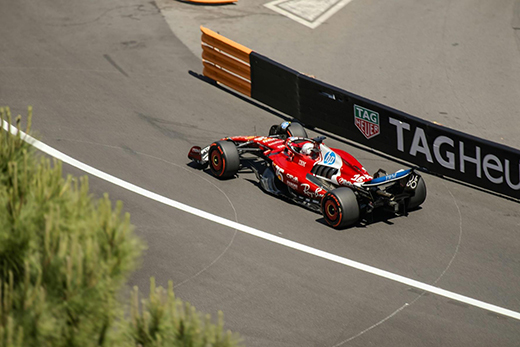
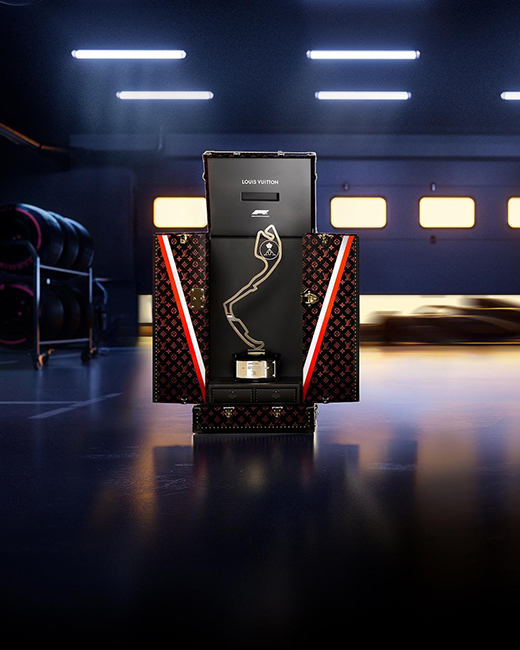
Sports have recently been experiencing an influx of major luxury brands, be it commercial partnerships with sporting events, providing kits and apparel for specific teams, or endorsing individual athletes. The 2025 Formula One Season has been in the limelight for its $1 billion, 10-year partnership with LVMH. It allows Tag Heuer to replace Rolex as their official timekeeper and Moët & Chandon to return as their champagne provider, while Louis Vuitton becomes an official partner complete with the benefits of prominent trackside signage, title sponsorship and bespoke trophy trunks covered in the emblematic ‘LV’ monogram.
Picture Credits: Unsplash
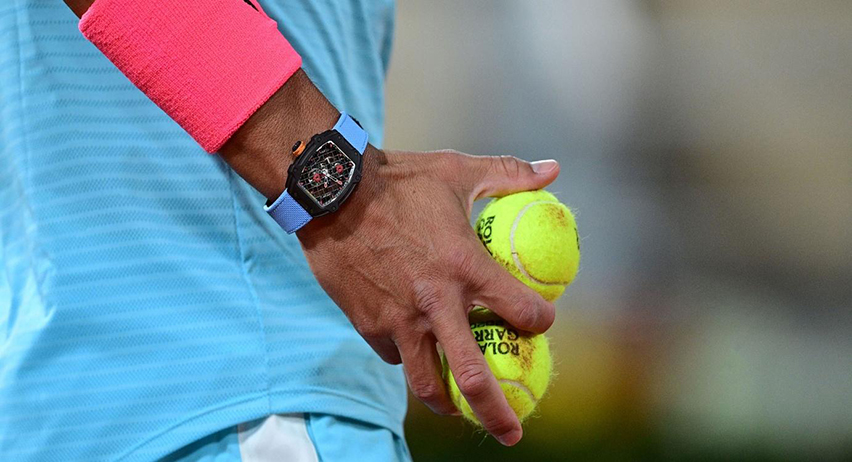
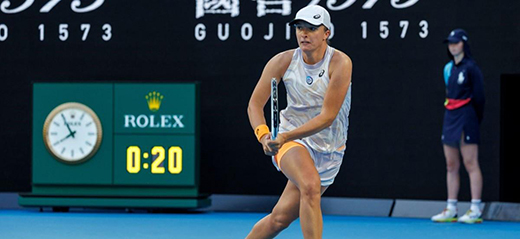
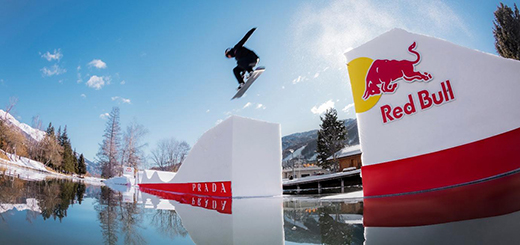
Other notable examples include Rolex’s expansion in tennis in 2024 by becoming the official timekeeper of the WTA Tour along with all four Grand Slam tournaments. Prada, on the other hand, has adopted a multi-pronged, proactive approach by sponsoring the Chinese Women’s National Football Team for the 2023 World Cup and 2024 Olympics, collaborating with Adidas on limited-edition football boots, and partnering with Red Bull for extreme sports content and snowboarding initiatives. On yet another innovative note, Richard Mille, in addition to sponsorships spanning across sports, has also launched timepieces in partnership with elite teams and athletes like McLaren Racing and Rafael Nadal.
Picture Credits: rolex.com
These are but a handful of examples from undertakings which have become unsurprising. Yet they raise interesting questions worth exploring in a bid to understand a major strategic shift in premium marketing.
Why are Luxury Brands Turning to Sports?
Several reasons can be attributed to the rise in the luxury-sports relationships. The chief among them being the failure of traditional modes of advertising. Plummeting print media circulation, coupled with dipping customer satisfaction due to weakened value, disconnection from brand essence and heritage, limited personalisation, and narrow product focus, necessitates evolution in marketing strategies. Additionally, studies indicate higher-income individuals are more likely to follow and engage in sporting content than recall seeing advertisements for luxury commodities.
On the other hand, sports enthusiasts are quickly permeating the targeted segment of luxury brands due to the simple reason that they are willing to pay more for luxury brands. This group is known to equate luxury goods with premium quality, authenticity and elite value and is therefore readily convinced to view luxury goods as a good investment when connected with sports. Thus, increased visibility in sports provides a direct road to rising brand recognition and preference among the respective fans.
Picture Credits: prada.com
Lastly, sports accord a unique stage for the luxury brands, transcending visibility in the traditional sense. A World Cup final or the Olympic podium places them at the heart of moments watched, remembered, and replayed across the globe, giving them cultural permanence that advertising alone cannot buy. By crafting a medal, trunk, or jersey, they are not simply claiming prestige but demonstrating it through design, heritage, and craftsmanship embedded in the drama of sport. This aesthetic alignment with peak performance and global celebration reinforces their premium positioning while subtly translating the codes of exclusivity, excellence, and artistry into a language billions of viewers understand.
What Does this Entail for the Premium Consumer Segment?
For the affluent consumer, luxury’s growing presence in sport represents a shift from passive prestige to shared experience. These brands may not necessarily need more visibility, yet sport accords them a rare kind of cultural permanence, an opportunity to be woven into global moments of triumph, drama, and spectacle.
Picture Credits: louisvuitton.com
Equally, these partnerships translate into tangible offerings for the consumer with commemorative editions, VIP event access, and collaborations that carry the symbolism of global sport. The limited editions and exclusive designs are not merely an accessory but become a collectible piece of history, linking heritage craftsmanship to contemporary culture and deepening loyalty by affirming that the brand is relevant, dynamic, and emotionally resonant with the values of perseverance, unity, and achievement.
Thus, the luxury-sport relationship does not just enhance visibility; it is aimed at enriching the luxury lifestyle ecosystem with a sporting narrative.
Cover Credits: richardmille.com