
Neha Mehrotra
28-Aug-2025
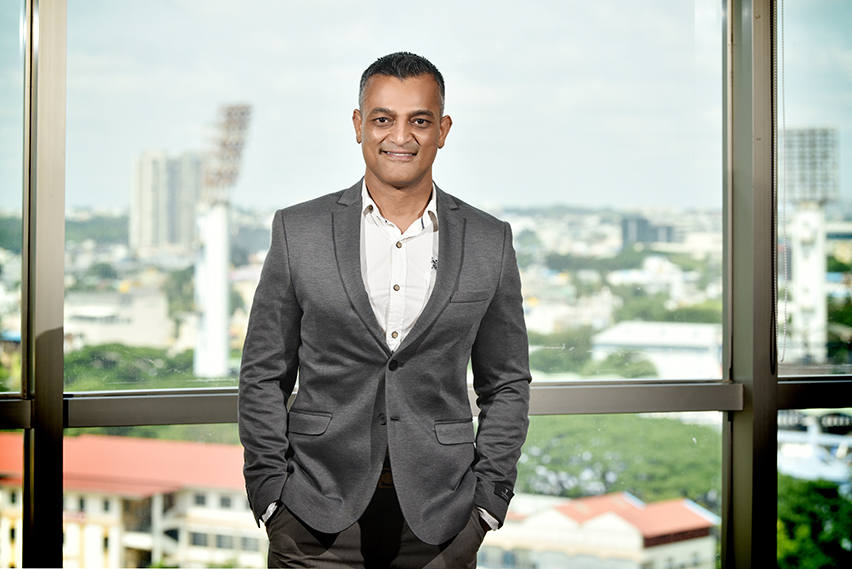
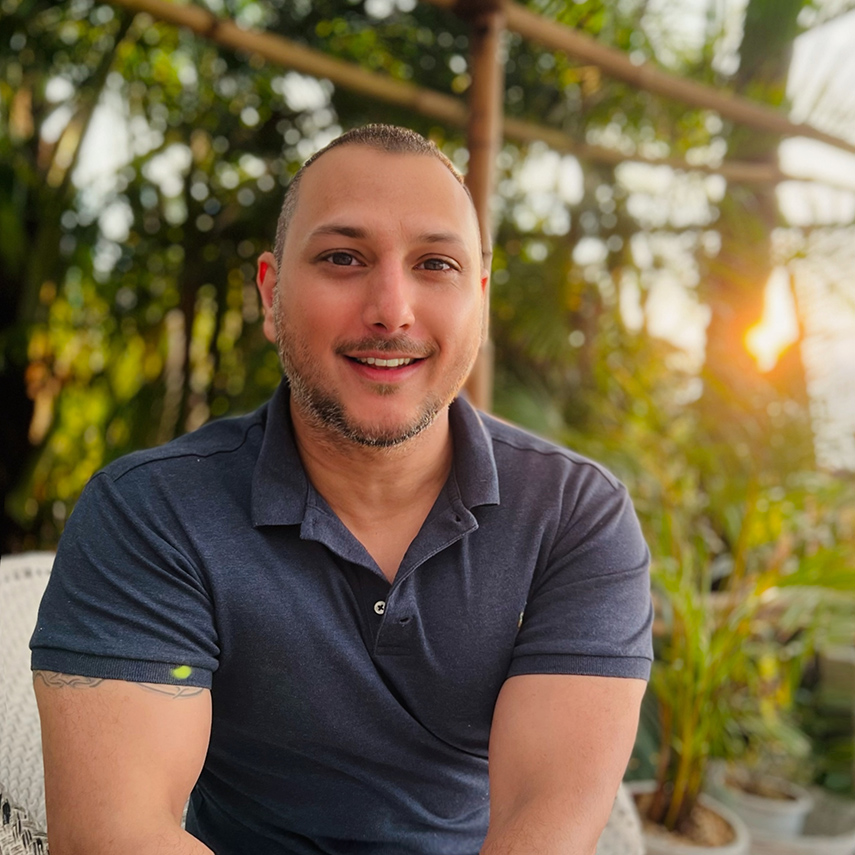
Amitabh Pande, EVP – Strategy, Consumer Planning and Digital, Diageo India, unpacks how Diageo India is driving innovation, shaping culture, and building India’s reputation in the world of fine spirits.
With India’s luxury landscape at a tipping point, the alco-bev sector is no longer just about what’s poured into the glass—it’s about culture, identity, and experience. At the forefront of this shift is Diageo India, shaping conversations around conscious consumption, hyper-personalisation, sustainability, and the global rise of Indian craft spirits.
In an exclusive conversation with PEAKLIFE, Amitabh Pande, EVP – Strategy, Consumer Planning and Digital, Diageo India, shares insights into how the brand is rewriting the playbook to engage a new generation of consumers while putting India firmly on the world map of fine spirits.
1. India is experiencing a shift from mass consumption to more personalised, experience-led choices. How should marketers be responding to this shift?
Indian consumer culture is faced with one of the biggest inflection points right now. The traditional playbook of scale, visibility and price might not continue to deliver as handsomely as younger affluent and digital natives seek individuality, identity, and experiences over sheer consumption. We need to:
In summary, marketers need to embrace personalisation, participation and cultural resonance to win in this decade.
2. As lifestyle categories converge (spirits, fashion, music, wellness), how can the alco-bev industry play a more relevant role in shaping India’s cultural economy?
Alcohol brands can become co-authors of India’s new luxury, creative and experiential economy — where the serves are as much about identity and belonging as taste. Focus on culture as currency: invest in ideas that people want to be part of, not just consume. Collaborate with creators from the space of fashion, music, art, and design.
3. India is a highly regulated market for alcohol advertising. What strategic levers have you pulled to build buzz and brand equity while navigating regulatory constraints?
Diageo’s Marketing Code emphasises responsible alcohol marketing by ensuring all activities target only adults of legal drinking age, promoting moderation, and including responsible drinking messages across sponsorships, promotions, and packaging. The code exceeds legal requirements, reflects sensitivity to cultural and local norms, and incorporates specific provisions for responsible drinking initiatives and brand integrity worldwide. Further to this, Diageo also has an online global resource that supports responsible drinking called DrinkIQ. It shares best-practice tools, information and educational content & serves as a platform where consumers can access factual and neutral information about alcohol, including its nutritional content and responsible drinking messages.
4. Last December, Diageo India launched the Initiative of India Rare Spirits. Can you tell us more about it and how it plans to introduce a premium drinking experience?
The India Rare Spirits Cask Programme by Diageo India is a first-of-its-kind bespoke luxury initiative that elevates whisky ownership into a celebration of artistry, heritage, and individuality. It offers consumers the chance to create their own “personal flavour DNA in a bottle” by selecting from 40 matured flavour blocks and over 70 rare finishing casks sourced from DIAGEO’s Indian and Spanish distilleries. Every element, from the liquid’s profile to custom labels and artwork, is tailored to the owner, making each creation a one-of-a-kind expression. It goes beyond premium drinking, transforming it into an unparalleled statement of luxury, personal legacy, and craftsmanship.
5. India has by far the largest number of people who are entering the legal-age drinking space. What changes in drinking patterns do you think this generation is going to bring to the industry? And are we ready to adapt to that?
A trend gaining momentum is the concept of conscious consumption. Consumers are becoming more mindful of what and how much they consume. There's a shift towards savouring the drinking experience, opting for longer, sessionable drinks over binge drinking. Additionally, the role of alcohol as a complementary experience is transforming the way people engage with beverages. While food is integral to socialising, the role of alcohol in all of this has evolved to something that is savoured rather than binged on. This "second screen" behaviour, where individuals enjoy drinks while participating in virtual events or engaging in other activities, encourages responsible drinking. Brands like ours – whether it is Singleton or Tanqueray or Godawan or Don Julio – are leading this transformation by positioning their brand worlds and serving as accompaniments to a wide array of social experiences. Furthermore, Diageo has a strict policy of never targeting marketing activities at individuals younger than the legal purchase age (LPA).
6. What role do you think AI and technology play in the process of how a consumer enjoys a brand?
AI and technology are enabling more personalised and meaningful brand interactions. At Diageo, we’re exploring AI, data, and sensory tech to enhance consumer experiences—from tailored digital campaigns to personalised product discovery—while balancing creativity and consumer focus.
Data plays a critical role in this journey. It gives us the ability to better understand consumer preferences, trial customised content or gifting experiences, and begin to build differentiated value that reflects individual tastes and behaviours. But we recognise this is a constantly evolving space, and we're committed to learning what works best.
One such experiment is our “What’s Your Whisky?” initiative — an interactive tool that uses Flavour Print AI to suggest personalised whisky and cocktail options based on a consumer’s flavour profile. It’s an early step in breaking down traditional barriers to whisky exploration and making the category feel more accessible and tailored.
Ultimately, we see AI and emerging tech as creative collaborators — tools that can help us deliver richer, more relevant experiences if we stay open, curious, and consumer-first in our approach.
7. How can India’s alco-bev sector institutionalise ESG goals at scale? Are there cross-industry partnerships or frameworks that could accelerate this transformation?
Consumers are becoming increasingly conscious of their environmental and social impact, which is pushing brands to embed sustainability into the core of their operations. For the alco-bev sector to scale ESG goals, shared frameworks and cross-industry partnerships—with startups, research institutions, and regulators—can fast-track innovation in areas like sustainable packaging, water stewardship, and renewable energy.
At Diageo India, our Spirit of Progress 2030 goals guide this work. We’ve achieved 100% collection of the plastic we put into the market, introduced biodegradable plastic hipster packs for Scotch, and lightweight glass bottles to cut emissions. Partnerships have been central, whether working with RTOs to promote responsible drinking, regenerating mangroves with Signature, or protecting the Great Indian Bustard with Godawan Artisanal Single Malt. These collaborations demonstrate how aligning industry expertise with external networks can accelerate progress across the entire sector.
8. Do you believe Indian craft spirits will hold their own on the global stage, much like Japanese whisky or Mexican mezcal? What must change in perception or scale?
Indian craft spirits are at an inflection point, with a dual movement of localisation and globalisation shaping their trajectory. Brands are building strong identities through regional stories and indigenous ingredients. For example, Godawan’s story draws from the desert of Rajasthan, blending Indian artisanship with time-honoured techniques. This kind of provenance-led storytelling is what has helped Japanese whisky and Mexican mezcal earn their place globally.
At the same time, evolving palates in India are mirroring global trends, and trade developments like the UK-FTA create meaningful openings for Indian spirits to compete in mature markets. To hold their own, brands will need to scale production without losing craft integrity while investing in category education abroad so that “Made in India” in spirits signals the same quality and distinctiveness as other global icons.
9. There’s growing momentum around the ‘sober curious’ trend driven by conscious consumption. How do you see this trend taking root in the Indian context?
The sober curious movement in India is part of a broader shift toward conscious consumption, where people are placing greater value on quality, moderation, and the overall social experience. Consumers are choosing longer, sessionable serves, lower-ABV options, and occasions where alcohol complements rather than dominates.
A recent report by IWSR highlighted “zebra striping” as one of the emerging moderation trends, alternating between alcoholic and non-alcoholic drinks on the same occasion. This points to a more flexible drinking culture, where people make space for different types of beverages. Our role is to position our brands like Singleton, Tanqueray, Godawan and Don Julio as companions to intentional social moments.
10. What’s next for Diageo India?
We have very exciting times ahead, as India is one of the most important markets for Diageo. For eg., the future of whisky in India is poised for significant transformation, driven by the country's rising affluence and shifting demographics. By 2030, India is expected to have the third-largest number of high-income households globally, with around ~150million households projected to fall into the upper mid- and high-income categories within the next six years—outpacing the UK. This economic growth is fuelling a robust increase in the premium and luxury alcohol market across various segments. Additionally, women are becoming key agents of change in the spirits industry, with their share in the luxury segment climbing from 25% to 40% in just two years, signalling a notable shift in consumer behaviour. At Diageo, we are dedicated to innovation and introducing exclusive launches tailored for the Indian market.