
Amit Rohra & Hitesh Rohra
11-Apr-2026
If you're looking for ways to make your space feel bigger and brighter, this is exactly how you can.
Inputs by: Amit Rohra, Founder & Hitesh Rohra, Creative Director – Mr Light Illumination
“Space is not always measured in square feet; sometimes it is measured in how far light can travel and how softly it can expand a room beyond its walls.”
There is a certain charm to small homes. They hold life closely, where every corner has a purpose and every detail feels intentional. Yet, they also demand a different way of thinking – not how to add more, but how to make what exists feel open and effortless. Lighting becomes the tool that makes this shift possible, shaping not just visibility but perception.
1. Let Light Move Through the Space
It often begins with a single overhead light, expected to do everything. While it brightens the room, it also flattens it, making its limits more visible. When light is instead placed across different points, it begins to guide the eye. The space feels layered, almost like a sequence, rather than a single enclosed box.
2. Use Walls to Dissolve Boundaries
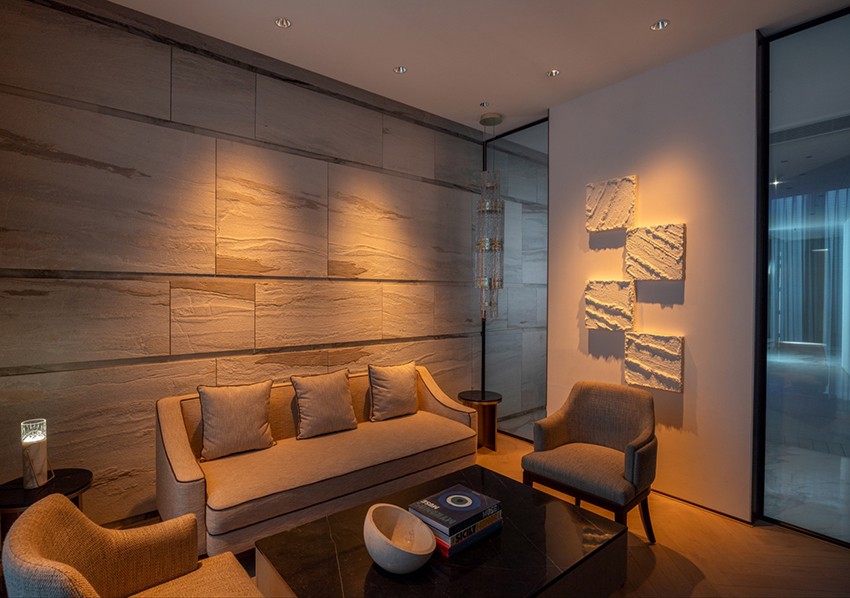
Walls do not have to feel like endpoints. When they are softly illuminated, they begin to recede, visually expanding the room. A gentle wash of light can make surfaces feel lighter and further away, subtly increasing the perceived width of the space.
3. Draw the Eye Upward
Ceilings are often overlooked, yet they hold the key to how spacious a room feels. When light is directed upward or reflected softly from above, it lifts the entire volume of the room. The space feels taller, more open, and less confined.
4. Reduce Visual Weight
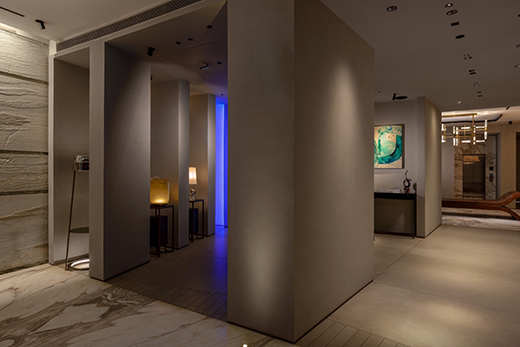
In compact spaces, every element is noticed. Bulky fixtures or excessive lighting can add to the sense of crowding. Choosing minimal, recessed, or concealed lighting keeps the space visually clean. When the source of light feels lighter, the room itself begins to feel more open.
5. Allow Light to Reflect and Expand
Light becomes more effective when it is allowed to travel. Reflective surfaces such as mirrors, glass, or polished finishes help it move across the space, amplifying its presence. This creates a sense of depth, making the room feel larger without adding anything new.
6. Create Zones without Dividing the Space
A small home often serves multiple functions within the same area. Instead of separating these with walls or partitions, lighting can define them. A focused light for a task, a softer glow for relaxation, or a gentle highlight for movement can create structure while maintaining openness.
And perhaps that is where the real transformation lies. Making a small space feel larger is not about illusion but about intention. It is about understanding how light interacts with volume, surface, and movement, and using it to quietly reshape perception. When done well, light softens boundaries, eases constraints, and brings a sense of openness that extends beyond physical dimensions.
The space no longer feels defined by its size but by how it flows, how it settles, and how it adapts through the day. Lighting should never feel imposed on a space; it should feel like it belongs to it, enhancing what already exists.
By Aashi Gupta,...