
Prachita
14-Aug-2026
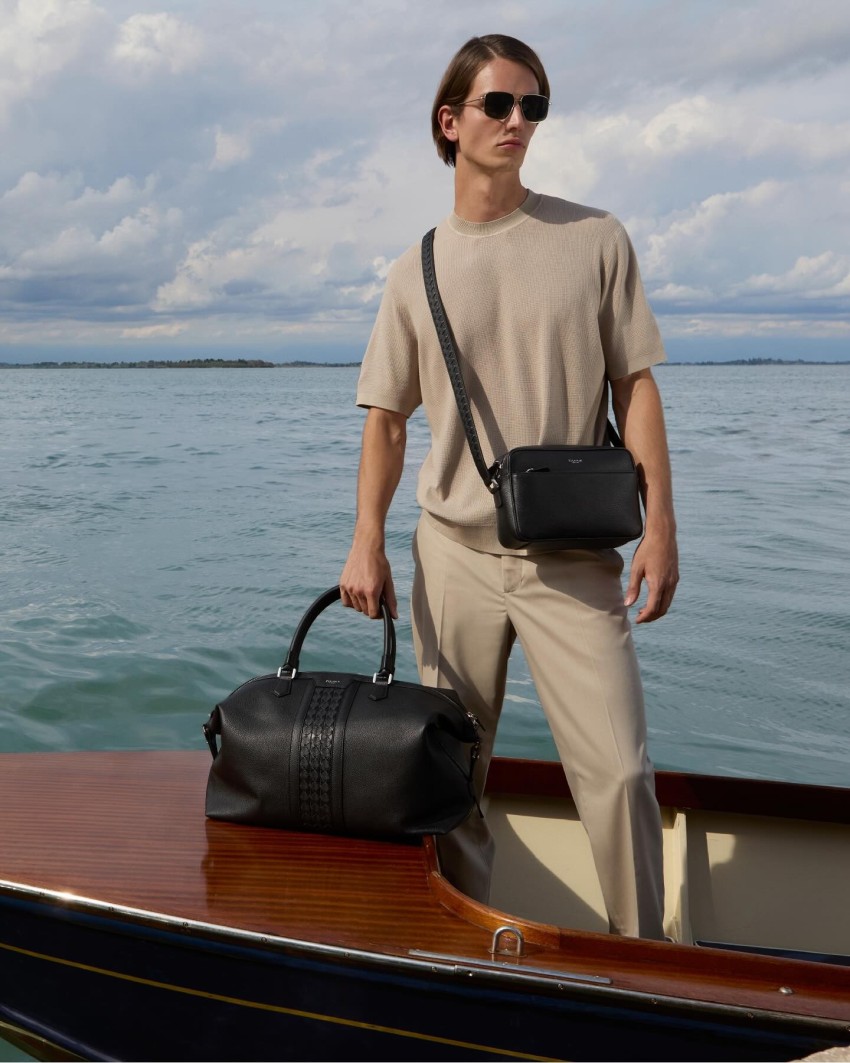
Here are 15 brands that turned a boring travel essential into something people actually get excited about.
Let's be honest, nobody remembers a boring suitcase. But a well-made one? People notice. They ask where it's from. They remember you walked through the airport looking like you had your life together. That's the quiet power of good luggage, and these 15 brands, some centuries old, some barely five years in, have all figured out how to make that happen.
The Old Guard
These are the names that were making trunks and cases before "travel goods" was even a category. Most are over a hundred years old, and most still make things almost exactly the way they always did.
1. Goyard
Credits: @goyardofficial
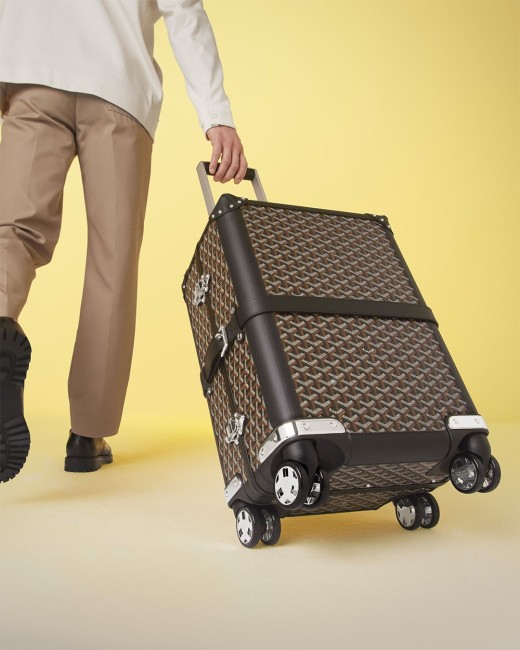
Goyard doesn't advertise, barely gives interviews, and sells almost nothing online, yet it's one of the most coveted names in travel goods anywhere. Its Goyardine canvas, that hand-painted chevron print, was introduced back in 1892 and inspired by the founding family's own history as log drivers on French rivers. The formula behind it is still a closely guarded secret. Founded in Paris in 1853 by François Goyard, the house has counted Coco Chanel, the Duke and Duchess of Windsor, and even Sherlock Holmes author Arthur Conan Doyle among its clients. Most brands are trying to get noticed. Goyard just isn't, and somehow that's worked out fine for them.
2. Rimowa
Credits: @rimowa
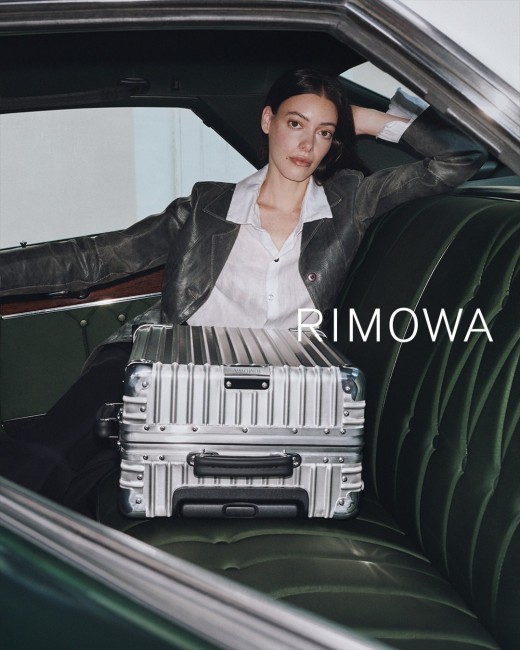
You'd know a Rimowa suitcase across an airport just by the sound of it, that ridged aluminium shell gliding along like it means business. Those grooves aren't decoration, they were copied from the corrugated body of a 1919 aircraft, the Junkers F13, and they've barely changed since 1950. Founded in Cologne by Paul Morszeck, the brand actually started out making wooden trunks. It only switched to aluminium after a factory fire reportedly left the metal cases as the only things still standing. That accident became the whole foundation of a design.
3. Globe-Trotter
Credits: @globe_trotter1897
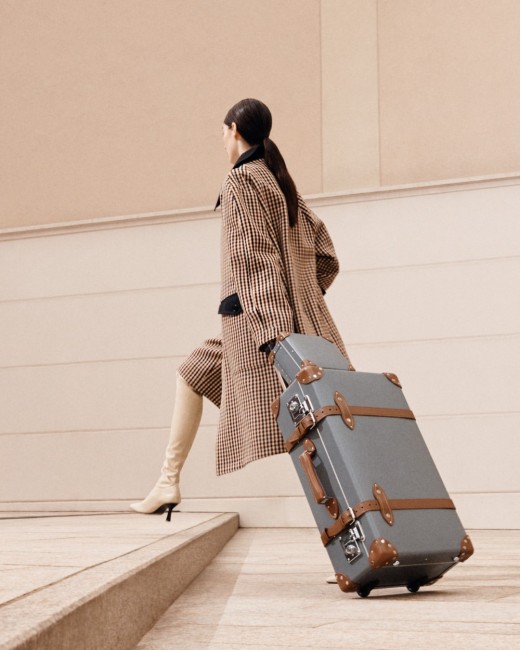
There's a reason Globe-Trotter cases look like they've stepped out of an old photograph: the design has barely moved since the brand's earliest days. Every case is still made from vulcanised fibreboard, a tough material of layered paper, cotton, and wood pulp, said to have held an elephant's full weight. Founded in 1897 by Englishman David Nelken. Its cases still take over ten days to make by hand in a Hertfordshire factory, with the leather corners still moulded on Victorian-era presses.
4. Valextra
Valextra doesn't put its name on the outside of anything, and that's entirely the point. Founded in Milan in 1937 by engineer Giovanni Fontana, the house built its whole identity on architectural, monochrome pieces, letting the shape of the bag do the talking instead of a logo. Its 24 Ore briefcase won the first-ever Compasso d'Oro design award in 1954. Everything is still made in Italy, down to details like the black lacquered edging and hand-painted lines Fontana introduced back in the day.
5. Serapian
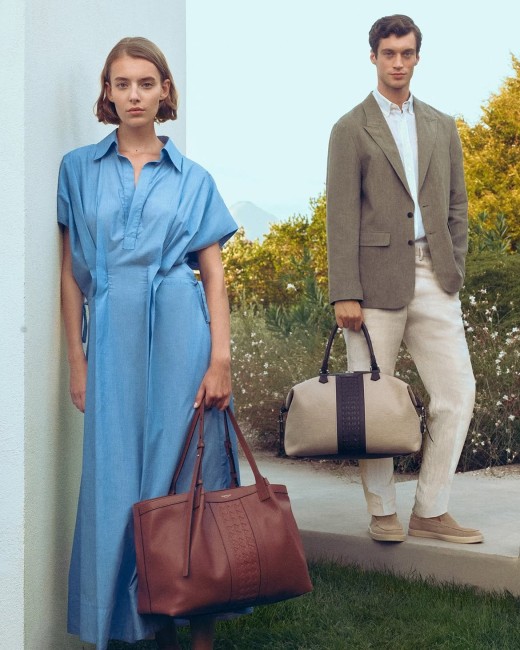
Serapian gets called Milan's best-kept secret, and honestly, it earns that. The house is known for Mosaico, a technique of hand-weaving narrow strips of lamb nappa leather into a mosaic-like pattern, first developed in 1947 and still done entirely by hand today. Every Mosaico piece is even signed inside by the artisan who made it. Founded in Milan in 1928 by Stefano Serapian, an Armenian immigrant who started out cycling around Italy selling his own leather goods, the house became a favourite of the Golden Age jet set and has quietly lent its leather expertise to some of the biggest names in fashion. Now owned by Richemont, it's still mostly a name insiders trade among themselves.
6. Bottega Veneta
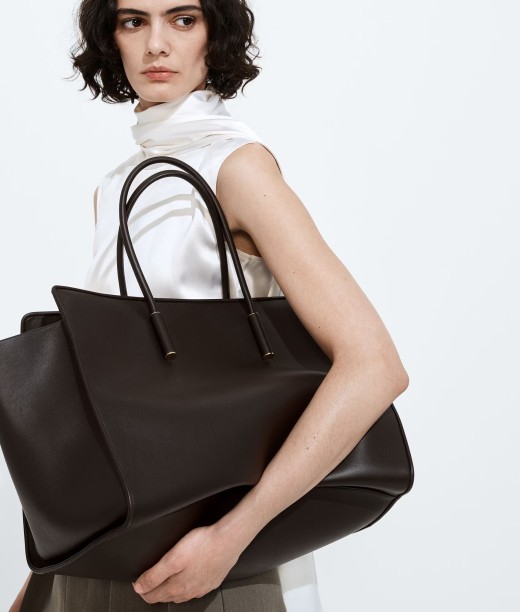
Bottega Veneta turned a manufacturing problem into one of fashion's most famous techniques. Back in the 1960s, the sewing machines its founders had access to couldn't handle thick leather, so artisans in Vicenza started weaving thin strips together instead. That method, Intrecciato, is still the house's signature. Founded by Michele Taddei and Renzo Zengiaro, the brand built its whole reputation on the idea that "your own initials are enough," dropping visible branding decades before "quiet luxury" became a phrase people used. That same instinct carries into its travel pieces too, where the woven leather is basically the only branding you'll find.
7. T. Anthony
Credits: @tanthonyltd
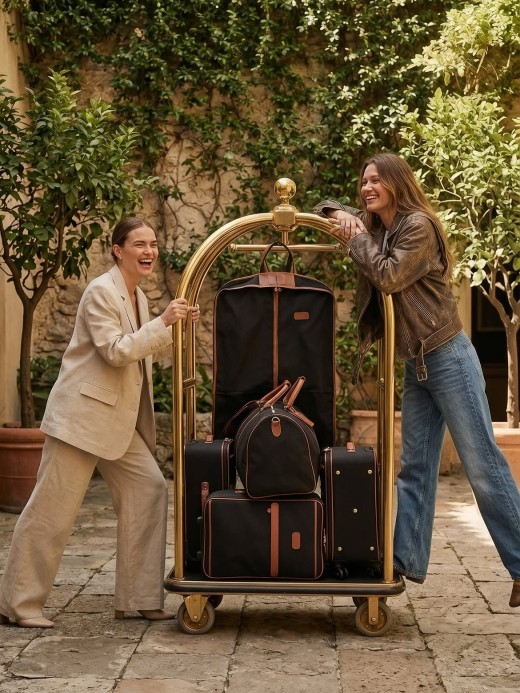
T. Anthony has spent decades as the go-to for people who'd rather not be seen carrying anything flashy. Theodore Anthony Froitzheim, a German immigrant who landed in New York in the 1920s, started out designing custom cosmetics cases for Elizabeth Arden before launching his own luggage line in the late 1940s. His bags, done in signature red, black, and purple canvas, became a genuine Park Avenue institution, carried by Jackie O., Marilyn Monroe, and the Duke and Duchess of Windsor. Nothing much has changed since. It's still American-made, still monogrammed, still aimed at people who don't need a suitcase to do the talking for them.
8. Bric's
Credits: @bricsmilano
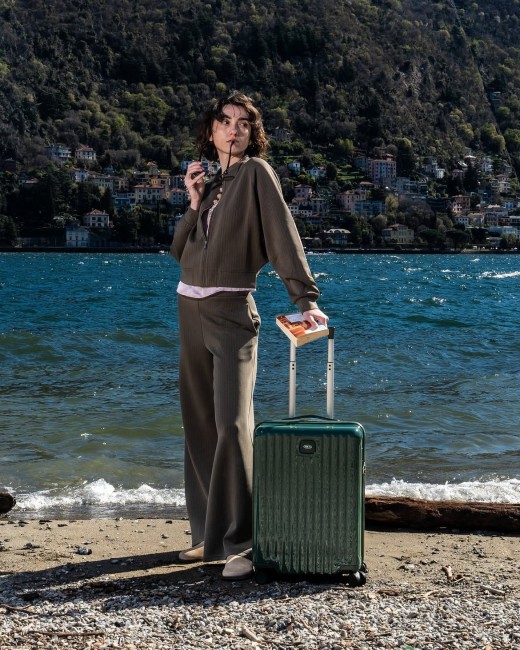
Bric's has never stopped being a family business, and that's really the whole story. Founded in 1952 by Mario Briccola near Lake Como, the house is still run by his children and grandchildren, who insist on vegetable-tanned, untreated leather even though it's slower and pricier than the chemically finished stuff most brands use. The upside is that every Bric's piece ages into its own character instead of just wearing out. It's since partnered with names like Porsche Design and even the Andy Warhol Foundation, but the pitch hasn't really changed since 1952: honest materials, made by people who still sign their name to it.
9. FPM Milano
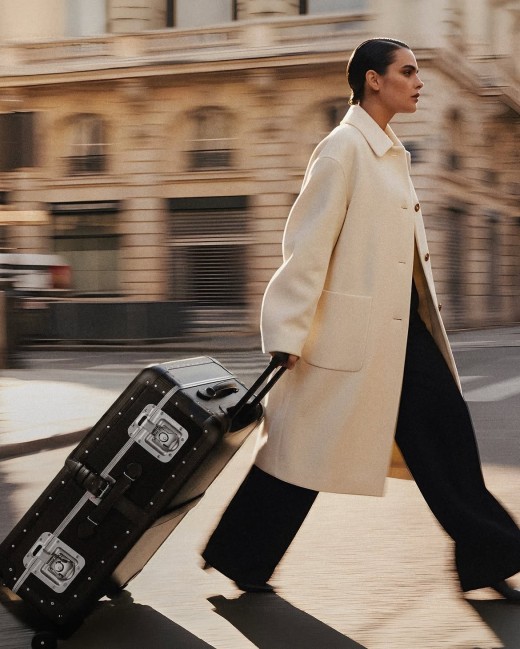
Credits: @fpm_milano
FPM Milano makes luggage that looks like it belongs in a bank vault, which is literally the idea behind its signature Bank collection. Enrico Fremder founded Fabbrica Pelletterie Milano in 1946 to put Italian leather craftsmanship on the map, but it was his grandson Beppi who really shaped the brand as it exists today, reviving the dormant house and bringing in designer Marc Sadler to rethink it from scratch. The result borrows its shape from old steamer trunks but uses aluminium shells with hand-inserted rivets and soft Italian leather handles. FPM has since worked with Gucci, Fendi, and Globe-Trotter, but it still calls itself, quite accurately, "luggage maker's luggage."
The Modern Classics
Not quite old enough to be called heritage, not new enough to be a startup. These three found their identity somewhere in the '70s and never really strayed from it.
10. Tumi
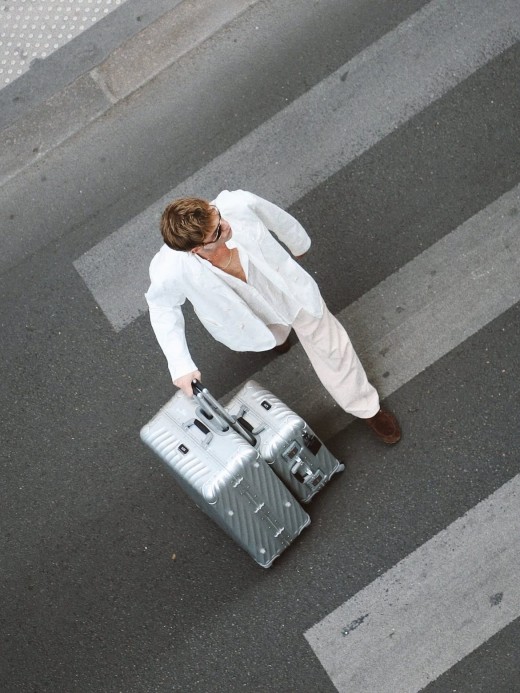
Credits: @tumitravel
Tumi is the brand that turned "business traveller" into an actual look. That all-black ballistic nylon style, introduced in the 1980s, became so synonymous with the brand that people still think Tumi invented the material. It didn't, it just built an entire collection around it before anyone else bothered to. American entrepreneur Charlie Clifford started the company in 1975, inspired by leather goods he saw while in the Peace Corps in Peru. What began as handmade duffels imported from South America grew into one of the most recognised names in premium travel gear, now trusted by everyone from frequent flyers to McLaren's racing team, an official partner.
11. Ghurka
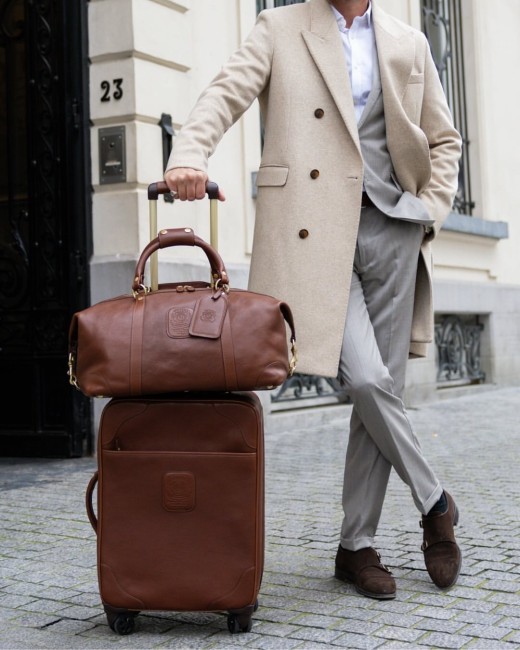
Credits: @ghurka
Ghurka's whole identity came from a single lucky find. In the early 1970s, founder Marley Hodgson stumbled across nearly century-old campaign gear at a British estate auction, once owned by an officer stationed with the Gurkha regiments in India, and got obsessed with how beautifully the leather had aged. He tracked down the original tanning process and started making his own bags in Norwalk, Connecticut, in 1975, each one numbered and crest-stamped. The point was never to chase trends, it was to make things worth inheriting, and that idea has carried the brand through several ownership changes, including a recent return to fully American-made production.
12. Porsche Design
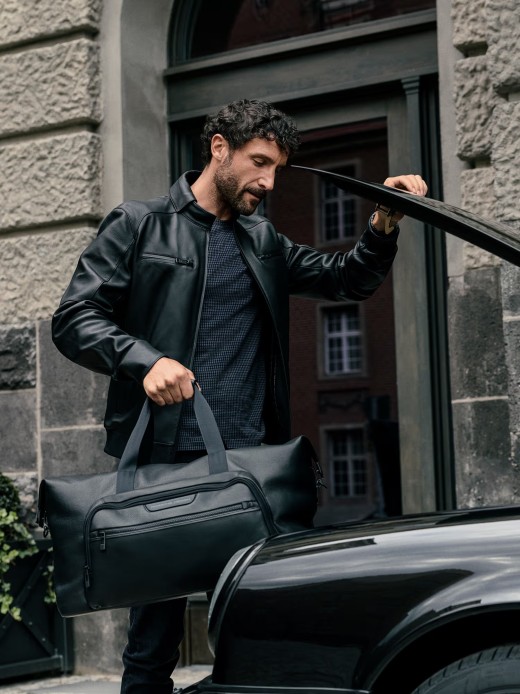
Porsche Design brings the same obsession with engineering to luggage that its parent brand brings to sports cars. Founded in 1972 by Ferdinand Alexander Porsche, designer of the original 911, the brand runs on one simple idea: get the function right and the form usually follows on its own. You can see it in details like a TSA lock permanently set to "911" and wheel systems lifted straight from the Carrera design language. For luggage, Porsche Design partners with Italy's Bric's, pairing German engineering with Italian manufacturing skill, and the result, from anodised aluminium trolleys to leather weekenders, feels less like an accessory and more like a precision instrument that happens to hold your clothes.
The New Wave
None of these brands are older than fifteen years, which makes their presence on this list a bit of a statement in itself: you don't need a hundred years of history to make something people genuinely want.
13. Carl Friedrik
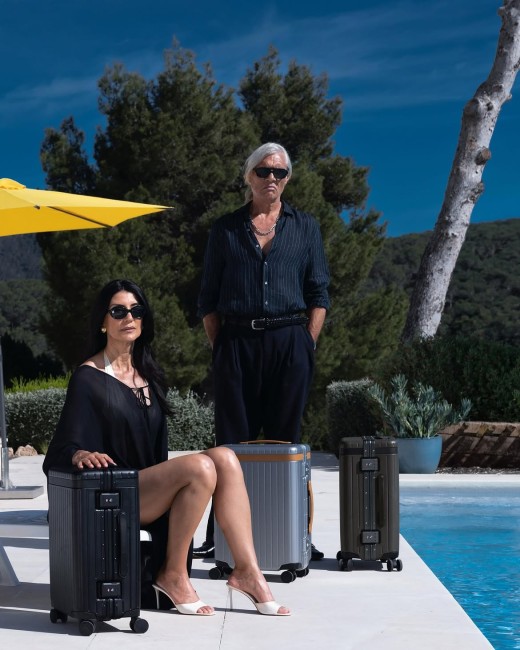
Credits: @carlfriedrik
Carl Friedrik looks like what happens when Scandinavian restraint meets modern travel demands. No loud logos, no seasonal drops, just clean lines and materials built to last, which is probably why the brand keeps quietly showing up in shows like Succession and The White Lotus without anyone needing to point it out. It started small in 2013, when Swedish brothers Niklas and Mattis Oppermann, based in London, couldn't find a laptop case they actually liked, so they made one. Luggage didn't arrive until 2019, but it's since become the brand's fastest-growing category, all built on the same idea that's driven it since day one: keep it simple and make it last.
14. Mokobara
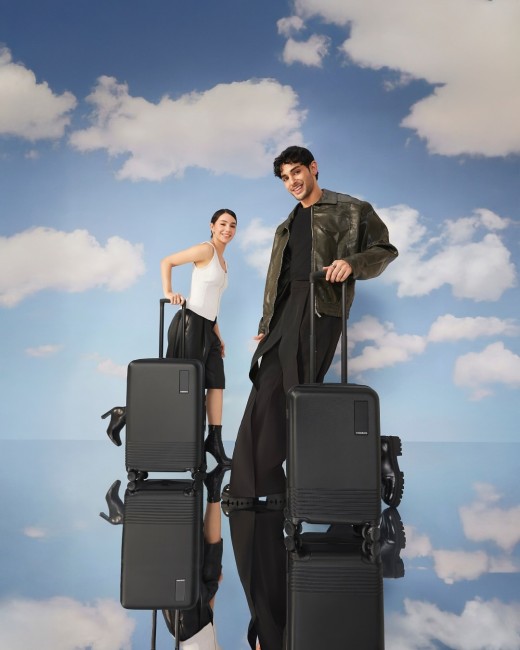
Credits: @mokobara
Mokobara is proof India didn't need to wait around for a foreign brand to make good-looking luggage. Founded in Bengaluru in 2020 by former Urban Ladder colleagues Sangeet Agrawal and Navin Parwal, the brand came out of pure frustration: neither founder could find a suitcase that looked good and actually worked. So they built one, with Japanese wheels, a design partner in London, and a cheerful yellow interior lining that's become something of a signature. From 200 units sold in its first month, it's grown into one of India's fastest-scaling travel brands, backed by serious investors and stocked in dozens of stores nationwide. Less about heritage, more about proving young Indian design can hold its own.
15. Aviteur
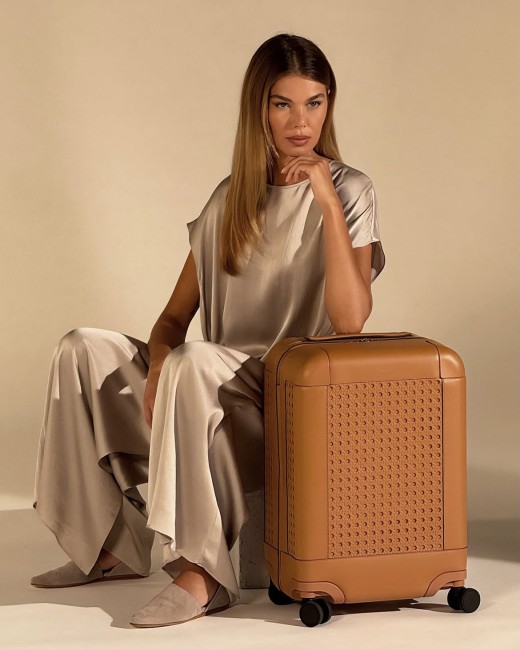
Credits: @aviteurofficial
Aviteur is the newest and smallest name on this list, and it knows it. Founded by Patricia Gucci, granddaughter of Gucci's founder Guccio Gucci, the brand grew out of her frustration with how generic and logo-heavy modern carry-on luggage had become. Made in Italy, with silent aluminium wheels originally engineered for Venice's cobbled streets and a woven Paglia di Vienna pattern that recalls 1950s cane luggage, Aviteur is deliberately logo-free and produced in small numbers rather than at scale. It doesn't have a hundred years of history behind it, and it isn't trying to. What it has instead is someone who genuinely grew up around what world-class Italian craftsmanship looks like up close, and it shows.
What ties all fifteen of these together isn't age, or country, or even price. It's that every single one of them decided a suitcase deserved more thought than most people give it.
Cover Credits- @serapianmilano