

Afshaa Rajqotwala
30-Jul-2026
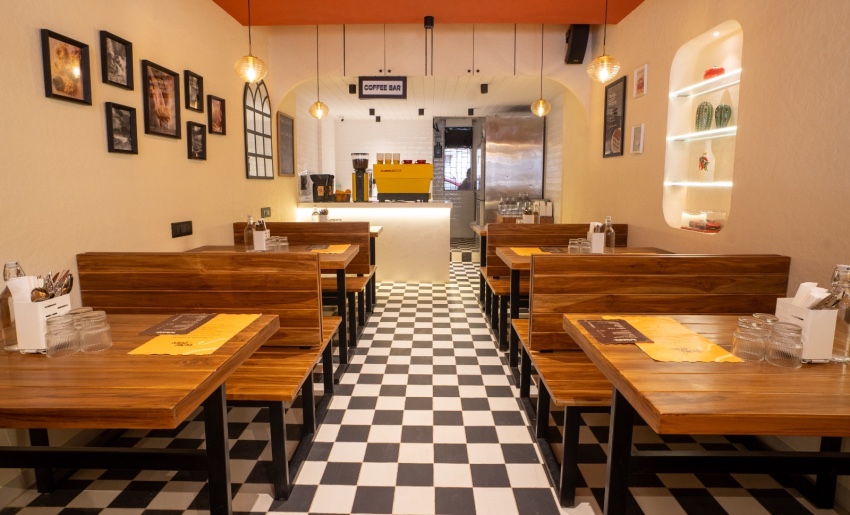
From curated menus and personalised hospitality to thoughtful design and stronger guest connections, intimate restaurants are redefining what luxury dining looks like in India's evolving culinary landscape.
By: Afshaa Rajqotwala, Chef & Restaurateur, Pomodoro, Bandra
Mumbai's dining scene has quietly undergone a remarkable transformation over the past few years. Amid the city's fast pace and constantly evolving palate, intimate dining spaces are emerging as the preferred choice for restaurateurs and diners alike. Rather than chasing scale, these smaller restaurants are focusing on quality, connection and authenticity—reshaping the way India experiences dining out.
From niche menus to limited seating, boutique restaurants are redefining luxury. Today, exclusivity isn't about sprawling spaces or elaborate interiors; it's about thoughtful hospitality, purpose-driven cuisine and creating memorable experiences. Across Mumbai, restaurateurs are embracing compact formats that allow them to build stronger relationships with guests, where every visit feels warm, personal and immersive. At Pomodoro, for instance, this philosophy centres around genuine hospitality, conversations shared over good food and an atmosphere that encourages guests to linger.
Operating on a smaller scale also allows restaurants to focus on what truly matters. Greater attention can be given to ingredient quality, craftsmanship, hospitality and consistency. Every dish receives careful attention, and every guest interaction becomes meaningful.
Curated or single-cuisine menus further strengthen this approach. With a tighter selection, restaurants can maintain better quality control, reduce inventory, improve preparation times and consistently deliver flavours while leaving room for creativity and innovation.
Of course, intimacy comes with its own set of challenges. In a compact restaurant, there is little room for error. Every service, every plate and every interaction is visible, making accountability and precision essential. Yet it is precisely these higher expectations that encourage restaurateurs to elevate every aspect of the experience.
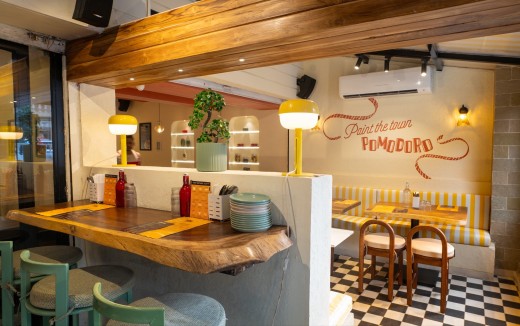
Design, too, plays a pivotal role in smaller dining spaces. Every square foot must serve a purpose, balancing comfort, flexibility, ambience and operational efficiency. Every design decision—from materials and colour palettes to layouts, tableware and lighting—contributes to the overall experience. At Pomodoro, the open kitchen was envisioned as the heart of the restaurant, with the rest of the space designed around it. Today's diners want more than just a meal; they seek a connection with the people behind the food and enjoy spaces that feel welcoming and personal.
The trend is also particularly relevant in the Indian context. High real estate costs and densely populated cities make compact restaurant formats more practical and sustainable. At the same time, younger consumers are increasingly adventurous, actively seeking out hidden gems and experimenting with new cuisines. India's thriving startup ecosystem has also encouraged a new generation of entrepreneurs to enter the food business, with micro-restaurants offering a viable and accessible entry point. International dining trends from cities such as Tokyo and New York have further inspired Indian restaurateurs to embrace intimate formats that prioritise experience over scale.
As many of Mumbai's most talked-about new openings continue to choose intimacy over size, it is becoming evident that this is far more than a passing trend. Small, when driven by craft, intention and genuine hospitality, has the power to create unforgettable dining experiences—and that is precisely where the future of the industry seems to be headed.
Cover Credits: pexels

.jpg)