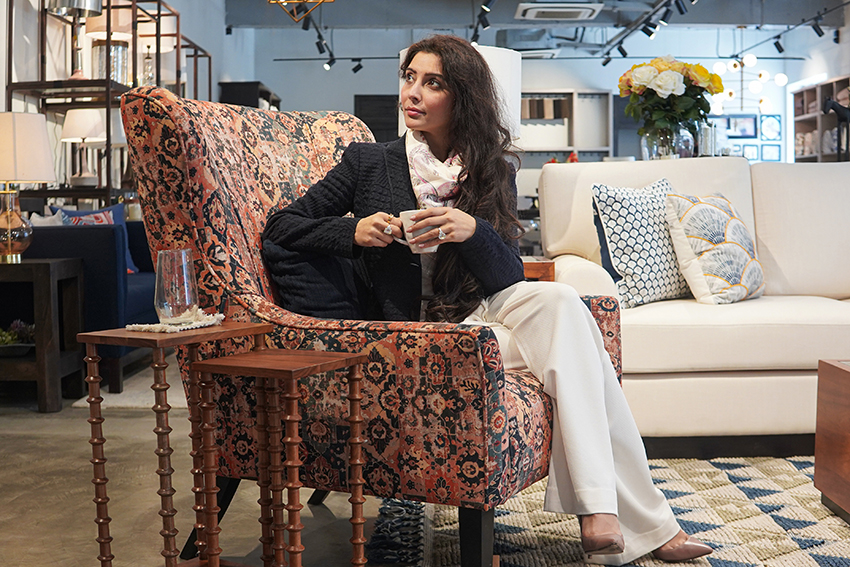

Rudraksh Charan and Priyanka Khanna
18-Jul-2025
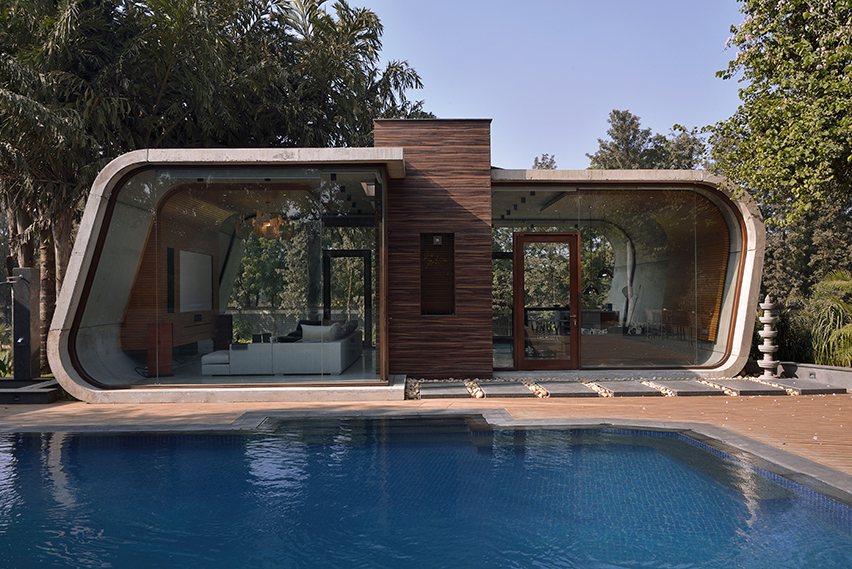
Intelligent design doesn’t need to be loud — it just needs to work beautifully behind the scenes.
Inputs by: Rudraksh Charan and Priyanka Khanna, founders 42MM Architecture
There’s something refreshing about walking into a space that doesn’t immediately try to impress you — and still completely does. You won’t see the flashy gadgetry. There are no glowing panels on the walls, no mechanical noise when the lighting adjusts, and no dramatic reveal of hidden screens. And yet, everything works just right. The blinds know when to rise, the room knows how warm you like it, and your music follows you from one corner of the home to another.
This is the magic of what architects Rudraksh Charan and Priyanka Khanna of 42MM Architecture call “invisible tech” — smart systems that are quietly transforming how we experience our spaces in 2025. At 42MM Architecture, we believe that good design isn’t always what announces itself; it’s what quietly transforms a space and enhances the lifestyle of its end user. While design trends come and go, one shift that’s steadily gaining momentum is the rise of invisible technology systems that are seamlessly embedded into the built environment, working silently yet powerfully in the background.
The Rise of Quiet Luxury
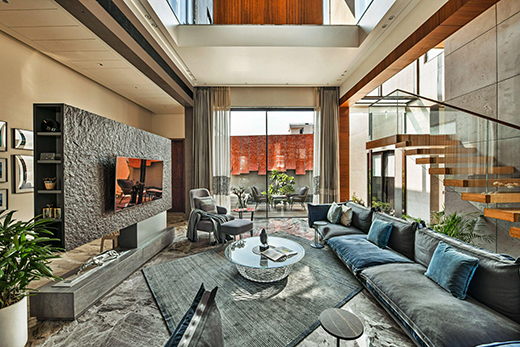
Today, people are gravitating toward the idea of quiet luxury: spaces that feel warm, effortless, and inviting but are deeply intelligent behind the scenes. This desire is shaping how we approach smart design. From automated lighting and shading systems to smart thermostats and HVAC, technology is being integrated in ways that don’t interfere with the visual language of the space. Climate systems can now be tucked into ceilings or walls, with no bulky units and no visible vents, allowing for uninterrupted surfaces and more cohesive interiors.
Perhaps most significantly, users want control at their fingertips — not on the walls. From robot vacuum cleaners to app-controlled blinds and audio systems, the shift is toward centralised, intuitive controls that remove the need for multiple switches, panels, or remote units.
What are the benefits?
It elevates aesthetics:
By eliminating visual clutter — wires, vents, devices, switches — we’re able to maintain the architectural purity and material palette of a space.
It enhances usability:
With smart systems working in sync and learning user patterns, interaction becomes effortless, intuitive, and often passive. The environment adapts, without the user needing to constantly intervene.
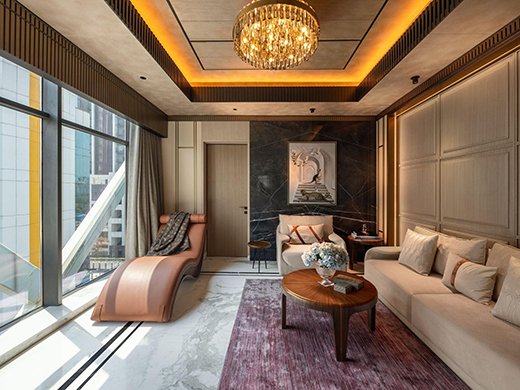
For us, the most exciting part is how these advancements align with our core values — design that performs without shouting. As automation becomes more sophisticated and unobtrusive, it allows us to create environments that are not just beautiful but also intelligent, responsive, and deeply human.

By Sonali Bhagwati,...