
Chef Rajshri Gupta
29-Jul-2026
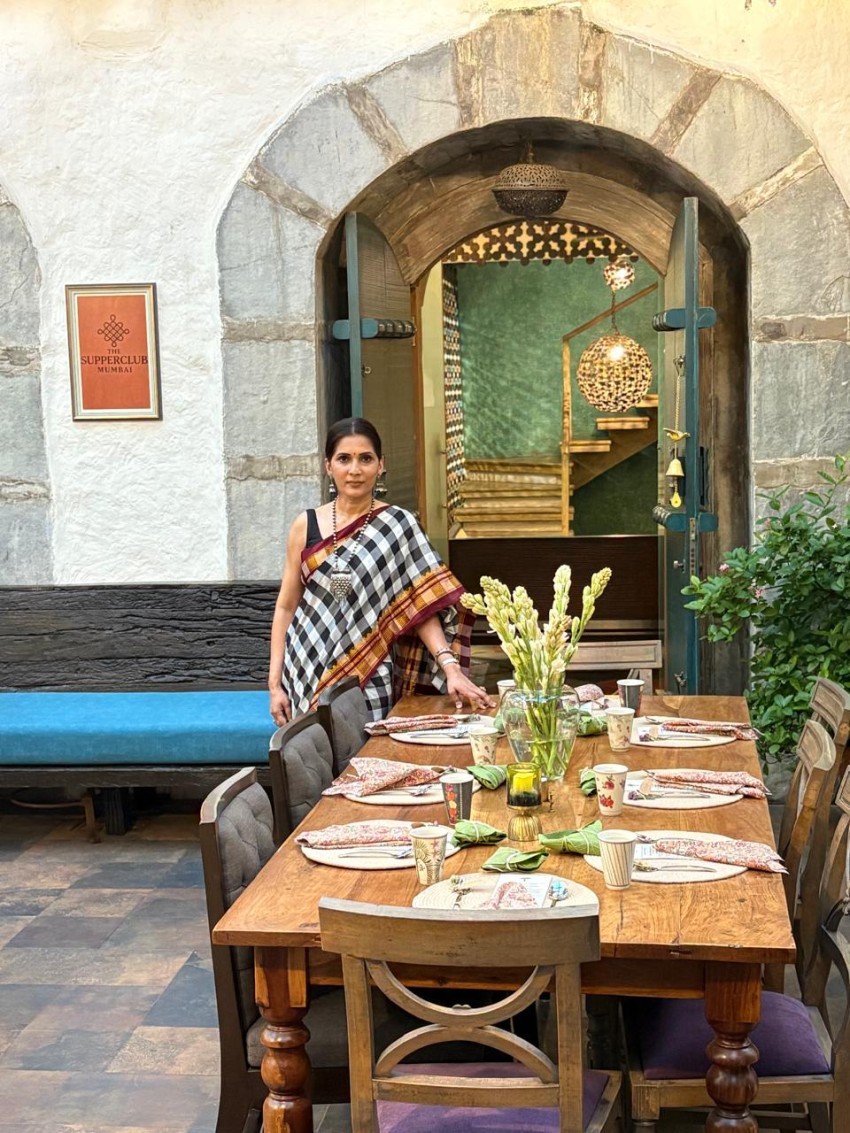
Chef Raji Gupta spotlights the knit between intimate meals and storytelling as she brings regional cuisine to the table.
In modern times, dining means more than just enjoying a meal; it means encountering a story. This change in attitude has contributed a lot to the growing success of dinner theatre.
People want to spend an evening that has good food, culture, talking, and acting. If every dish tells a story, then diners are bound to walk away with an understanding of what they ate beyond their hunger.
The nature of South Indian food is well suited to this idea as each region has its own heritage, culture and food ingredients waiting to be discovered. South Indian cuisine has always been associated with a few dishes only like dosa, idli and sambar. But now food lovers are excited to try cuisines which are many times more diverse than the above three dishes.
I believe Karnataka should have a more significant input in this case. Karnataka is not one type of cuisine but instead a series of regional cultures formed by forests, beaches, temple cities, and hills where spices grow. The first flavours that I experienced were the delicate and subtle flavours of kosambari (a salad made from lentils), bisi bele bath (a traditional dish made from rice and lentils), and hatti ghee (the best ghee) and fresh coconut. Following that came the strong flavours of Udupi-style sambhar, Mangalorean ghee roast, and the smokiness of Nati chicken.
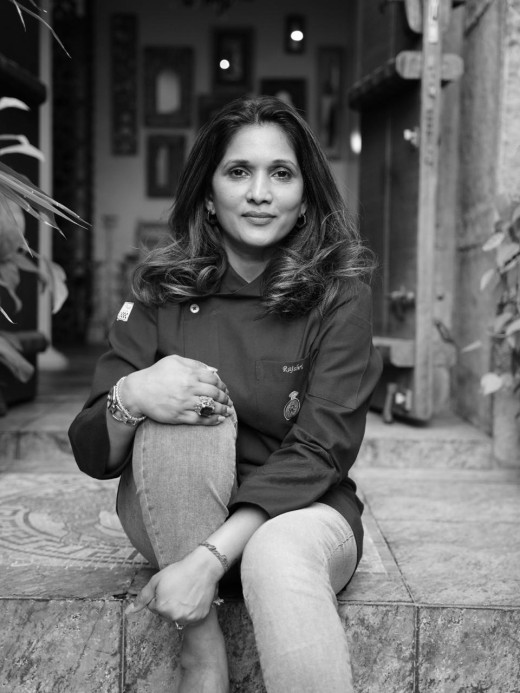
I can trace the roots of my culinary identity somewhere between the coast and the lush Malenadu area of Karnataka state in India. Coastal cooking fascinates me by means of dishes such as kori rotti and Kundapura masala cuisine, while the Malenadu area reflects comfort foods such as neer dosa and akki rotti. In effect, they demonstrate how a single state can produce different but equally remarkable culinary traditions.
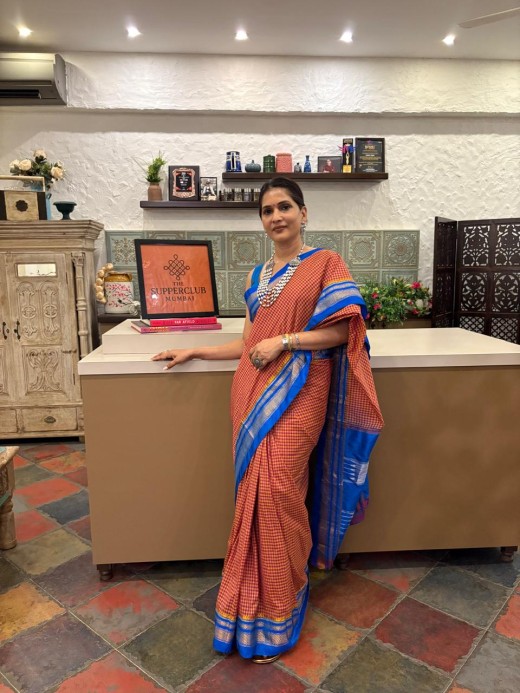
The state of Maharashtra is never free from its rich variety of seasonal ingredients. While working in Mumbai, I often miss things like raw jackfruit, bamboo shoots, green Malenadu pepper, and the zingy taste of punarpuli. These ingredients have a close relation to the soil and the people who produce them, highlighting the fact that every recipe actually starts from a specific location.
For this reason, supper theatre is considered the ideal place for Indian regional foods. It gives the ability for chefs to serve not only food but also memories, traditions and stories forgotten in time. Given the willingness of the public to experiment with their food, it can be predicted that the future of Indian cuisine belongs to regional stories told one meal at a time.