
Soumya Maheshwari
11-Aug-2025
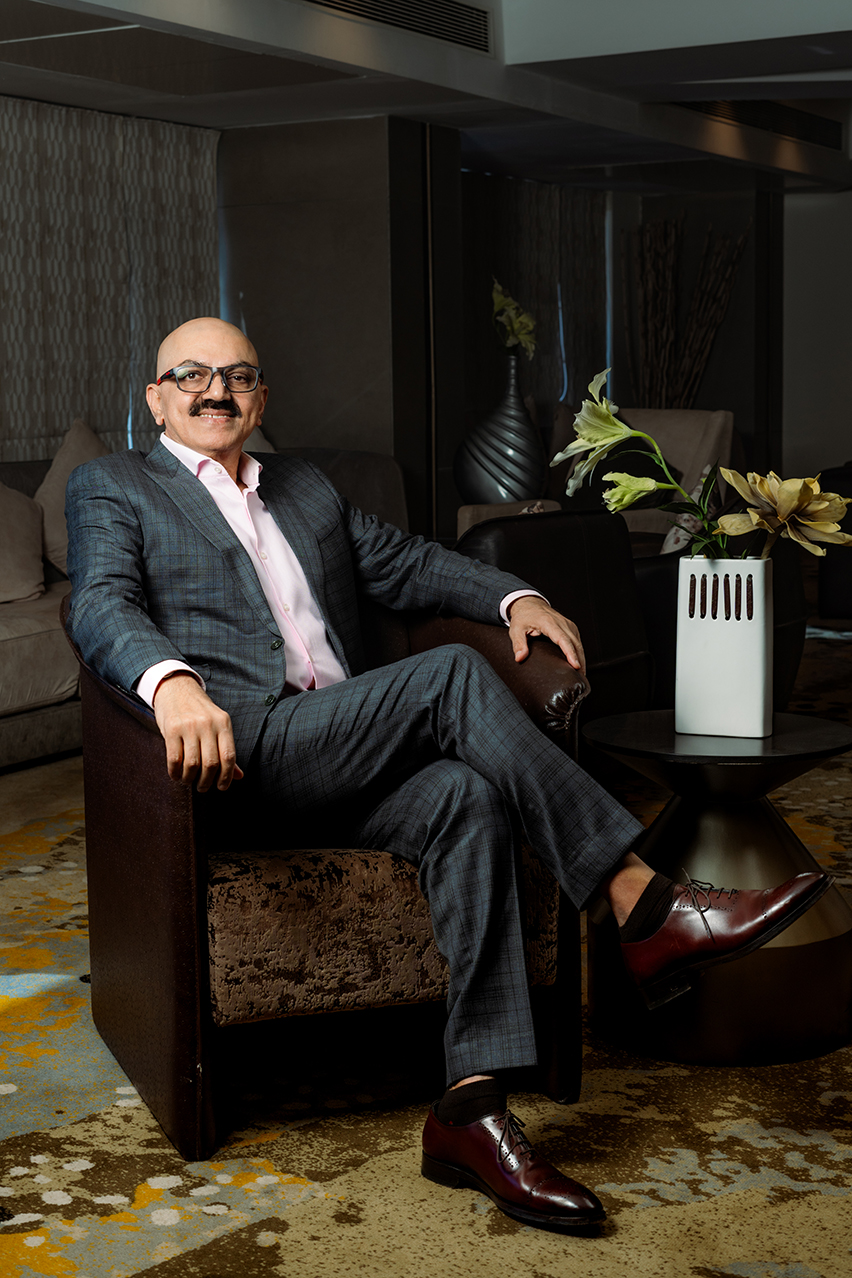
Powered by Raoof Dhanani, Sayaji Hotels anchors in Mumbai and Goa, marking its rapid growth through brand-forward storytelling and intuitive hospitality.
There has been consistent growth for the hospitality major in the metro segment and satellite cities. At the forefront of this expansion is Raoof Dhanani, Managing Director of Sayaji Hotels, who has strategically capitalised on this momentum with the launch of new properties in Mumbai and Goa. Under his leadership, Sayaji Hotels continues to strengthen its brand presence in both the business and leisure segments across India.
Call it approachable luxury, which has personified Sayaji Hotels since inception and continues to underline its trajectory in premium hospitality. Signature rituals, regionally inspired stories in décor grammar and local experiential are bringing in immersive stays for Sayaji guests across the country in multigenerational formats as the brand continues to expand strategically.
Excerpts from a conversation with Raoof Dhanani, Managing Director, Sayaji Hotels.
1. How has the journey been in the field of hospitality over the past 35 years?
The journey has been nothing short of transformational. From a time when hospitality in India was synonymous with formality and rigidity, we have witnessed a powerful evolution into a more intuitive, experience-led, and emotionally intelligent industry. For us at Sayaji Hotels, it has been a 360-degree journey: from pioneering personalised butler service in tier 2 cities to now working toward a diversified portfolio that meets the changing aspirations of Indian travellers.
2. How has the concept of luxury stays changed in India?
Luxury is no longer about opulence; it is about emotional resonance. Guests want more than a plush bed or a five-course meal; they seek connection, local flavour, authenticity, and thoughtful experiences. Indian luxury has matured into a layered offering where tradition blends with innovation. It is about how a place makes you feel, not just what it offers on paper.
3. How has the Sayaji Group emulated this?
We have evolved with our guests. At Sayaji, we have always believed in intuitive hospitality, even before it became a buzzword. Our in-room automation systems, curated food journeys, and culturally rooted service ethos are aligned with the new luxury paradigm. Recently, we incubated a new luxury vertical, Altara, which will focus on mindful indulgence and intimate, culturally rich experiences.
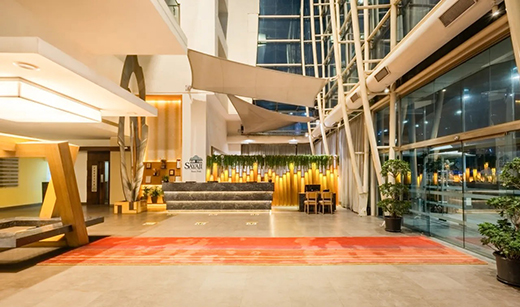
(Sayaji Hotels, Pune)
4. What is your biggest USP?
Sayaji’s biggest USP is our emotional bandwidth. We understand the heart of India, not just the metros, deeply. We serve a unique intersection: the aspirational traveller from Tier 2 and Tier 3 cities and the evolved guest looking for comfort with character. Our food legacy, relationship-led service, and deeply local integration set us apart. We don’t just serve guests; we remember how they like their tea!
5. What is the core focus for Sayaji: wellness, gourmet specials, or local experiences?
It’s a balanced triangle: wellness, gourmet, and local. Our legacy has always been food-forward, but we are also investing in wellness experiences that are culturally rooted, such as traditional therapies, mindfulness practices, and hyper-local retreats. Local experiences remain our north star: whether it’s curated cultural walks in Indore or Kolhapuri food trails, we bring destinations alive through hospitality.
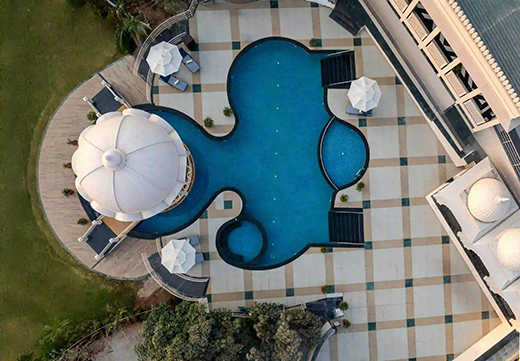
(Sayaji Resorts and Spa, Udaipur)
6. Share with us your expansion strategy into Tier 2 and 3 cities.
We are currently operational in 12 cities with 19 hotels across India. Our expansion strategy remains focused on high-potential Tier 2 and Tier 3 destinations that are culturally rich yet under-represented on the hospitality map. We are entering new markets like Madai near Kanha, Pushkar in Rajasthan, Junagadh in Gujarat, and Somnath, a deeply spiritual and heritage-driven destination. These locations allow us to bring Sayaji’s signature blend of warmth, regional integration, and food-forward hospitality to newer audiences who seek quality without compromising on cultural connection.
7. What are the revenue targets for 2025?
We are on a strong growth trajectory, with clear momentum across our key business verticals. Our aim is to achieve a significant jump in consolidated revenue this year, driven by increased occupancy, robust banquet performance, and deeper penetration in both existing and new markets. Our mid-market brands and asset-light expansion strategy are also expected to contribute meaningfully to our topline.
8. How have you integrated AI into the work fabric?
At Sayaji, we believe in building tech-forward foundations, but in a way that’s intuitive, not intrusive. While we have yet to fully deploy AI-driven tools, we are actively exploring the integration of AI across guest service touchpoints, predictive analytics, and marketing automation. On social media, we rely heavily on real-time insights, community feedback, and storytelling that reflects our cultural ethos, rather than algorithm-chasing. It’s about digital relevance, not just digital presence.
9. What are the ways in which you are increasing brand visibility?
We have adopted a 360-degree storytelling approach: from curated content partnerships and authored thought leadership to deeper influencer collaborations rooted in regional pride. Beyond media, we are increasing visibility through strategic tie-ups, loyalty integrations, and driving advocacy from within. Our team members are our strongest brand custodians.
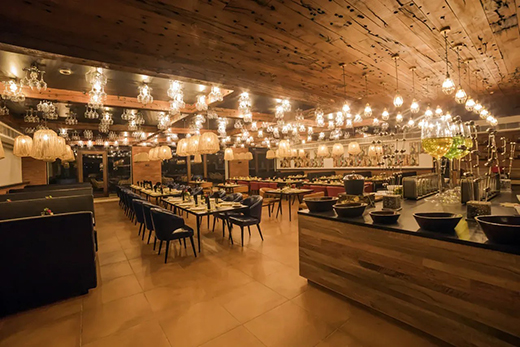
(Sayaji Rajkot)
10. What are the ways in which sustainability is being knitted to the brand ethos?
Our approach to sustainability is grounded in small, tangible actions that make a long-term difference. We have implemented in-house water bottling plants, solar power systems, and EV charging stations at select properties to reduce our footprint and enable more conscious travel. While we are at the beginning of this journey, our intent is strong: to scale these efforts across our portfolio and embed sustainability into our operational DNA, quietly but impactfully.
11. What is the biggest challenge?
Balancing scalability with soul. As we grow, the challenge lies in ensuring that our core philosophy of warmth, dignity, and personalisation remains intact across every property and brand vertical. The second challenge is perception. We are a legacy brand that is often mistaken for budget hospitality. Changing that perception takes consistent, brand-led storytelling.
12. What’s next?
The next chapter is about depth and design. We are investing in brand architecture, clearly defining Sayaji, Effotel, Enrise, and Altara. We are also entering hospitality education and training to build a strong talent pipeline from smaller towns. With Altara, we are writing our most ambitious story yet: a luxury brand born from belonging, not branding.